Fox Animal Coloring Page: An Embroidery Designer's Take
I have spent years working with design files, testing how they translate from screen to stitch, and I know that not every beautiful graphic holds up under the needle. When I first opened the Fox Animal Coloring Page Transparent PDF, I was not looking at it as a coloring page. I was looking at it as a potential embroidery design source, the kind of artwork that could become a stitched fox on a tote bag, a baby onesie, or a boutique patch. The question was whether it had the bones for real embroidery work.
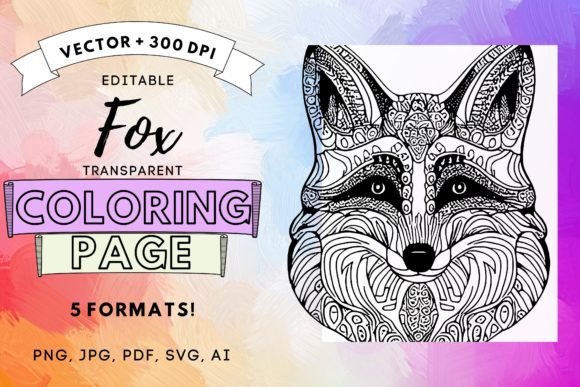
What I found was a clean, well-structured fox illustration with a transparent background that makes it surprisingly adaptable for embroidery digitizing. The 3542 by 4000 pixel canvas at 300 dpi gives you plenty of room to scale, simplify, or trace without losing the essence of the animal. The fox itself has a gentle, slightly curious expression, and the linework is open enough that you can imagine how it would read once converted to a machine embroidery design. It is not overly busy, and that matters when you are thinking about stitch counts and fabric behavior.
The Mood This Fox Brings to a Project
There is a certain warmth to this fox illustration. It feels woodland, storybook, and a little whimsical without being childish. The shape has a natural flow, the tail curves nicely, and the face has just enough detail to feel expressive. For an embroidery project, this kind of design works best when you want the finished product to feel handcrafted, inviting, and a bit nostalgic. I can see it stitched onto a linen apron for a small bakery, or centered on a cream-colored sweatshirt for a fall craft fair collection. The personality is approachable, and that is exactly what customers respond to when they are browsing Etsy seller listings or boutique displays.
Because the original file is a coloring page, the design is built around clear outlines and open spaces. For embroidery, that translates well into running stitch outlines or even a satin stitch approach if you decide to fill certain sections. The transparent background is a genuine advantage, it means you can place the fox onto any mockup or fabric color without fighting a white box around the artwork.
Real Scenario: A Custom Tote Bag That Sells
Let me walk you through a real use case. A friend of mine runs a small handmade shop and wanted a woodland collection for autumn. She needed a fox design that could be embroidered onto natural cotton tote bags, something sturdy enough for daily use but visually soft enough to appeal to gift buyers. I took the Fox Animal Coloring Page Transparent PDF, brought it into my digitizing software, and used the high-resolution PNG as a base to create a clean stitch file.
The result surprised her. The fox stitched out with a hand-drawn charm that felt far more personal than a typical stock embroidery design. The outline was smooth, the proportions made sense on a twelve-inch tote panel, and the design held up through multiple washes on a medium-weight canvas. Customers at her next market kept picking up the fox tote first, and she sold out of that design faster than any other animal in the collection. A coloring page became a finished product that people genuinely wanted to carry.
How It Performs Across Different Product Types
Not every design works everywhere, and I always test a concept mentally across several product categories before committing to a full stitch-out. Here is how the Fox Animal Coloring Page Transparent PDF holds up across the most common embroidery applications.
Custom Apparel and Sweatshirts
On a sweatshirt, this fox design reads beautifully. The open linework means you can keep the stitch count reasonable, which prevents that stiff, bulletproof feeling that heavy embroidery can create on fleece. I recommend scaling the fox to around five to seven inches wide for a chest placement. The design has enough presence to feel intentional without overwhelming the garment. Light heather gray, oatmeal, and forest green fabrics all pair naturally with the fox silhouette, and a warm rust or burnt orange thread for the body creates a cohesive look. For sweatshirt embroidery, this is a design that feels current and sellable.
Baby Clothes and Nursery Items
The gentle expression of the fox makes it a strong candidate for baby embroidery projects. I have seen similar woodland animal designs do well on baby blankets, burp cloths, and tiny knit hats. The key here is to simplify slightly, reduce the outline density, and use soft thread colors like taupe, cream, and muted coral. A personalized gift with a baby name arched above the fox would be an easy upsell for any craft business.
Embroidered Patches
If you are thinking about an embroidered patch, this fox is practically ready-made for it. The defined border of the coloring page style gives you a natural edge to work with, and the transparent background means you can create a clean patch shape without extra trimming. I would test a merrowed edge in a contrasting color, maybe a deep navy or mustard yellow, to make the patch pop on denim jackets or backpacks.
Kitchen and Home Textiles
On a tea towel or apron, the fox brings a rustic, farmhouse kind of charm. I have stitched similar designs onto flour sack towels and seen them sell consistently at holiday markets. The tote bag design potential is also strong, as I mentioned earlier, and a matching set of fox kitchen towels and an apron could be a compelling bundle for a small shop product lineup.
Paper Goods and Digital Mockups
Since the product includes SVG, AI, and PDF formats, you are not limited to fabric. The Fox Animal Coloring Page Transparent PDF works perfectly for printable mockup creation, product previews, and even packaging design. If you sell embroidery patterns or finished goods, having a consistent visual brand across your digital and physical products builds customer trust and recognition.
Where You Should Use Extra Caution
No design is universally foolproof, and I always prefer to be honest about limitations. With this fox illustration, there are a few situations where you need to think carefully before stitching.
Small hoop sizes can be a challenge. The fox has a relatively detailed face, and if you shrink it below three inches, those tiny eye and nose details may close up or become unrecognizable once stitched. I would avoid putting this design on infant onesie snaps or tiny cap fronts unless you are willing to simplify the facial features significantly.
Textured fabrics like terry cloth or chunky knits can distort the clean lines of the fox. The design relies on its silhouette for recognition, and a bumpy surface will break up the outline. Stick to smooth, stable fabrics for the best stitching clarity. On dark fabric, you will need to plan your thread colors carefully. A fox that looks warm and visible on cream fabric might disappear on charcoal or navy unless you adjust the contrast intentionally.
Stretchy fabrics demand proper stabilizer choice. A knit t-shirt with a fox design can shift during stitching if you do not use a cutaway stabilizer and possibly a topper for dense areas. The same goes for curved surfaces like caps, where the fox tail might wrap awkwardly around the side seam. Always test placement on a curved cap frame before committing to a production run.
Thread Color Choices That Make the Design Shine
One of the quiet joys of working with an animal design like this is experimenting with thread colors. The fox is iconic, but you are not locked into realistic orange. I have tested variations in dusty rose, terracotta, cream, and even a soft mustard yellow, and each one gives the design a different personality. The visual appeal of the finished piece often comes down to thread selection more than the design itself.
For a classic woodland look, I pair a warm burnt orange body with a crisp white tail tip and dark brown outlines. For a more modern, minimalist aesthetic, a single-color silhouette in a matte cotton thread on a neutral background creates a high-end boutique feel. The transparent background of the original file makes it easy to mock up these color variations digitally before you even thread your machine.
Practical Embroidery Designer Notes
Before you use the Fox Animal Coloring Page Transparent PDF in a production project, there are a few workflow steps I always recommend. First, test the design on scrap fabric. Even if you are confident in your digitizing, the way a design stitches on your specific machine, with your specific thread tension, can vary. A quick stitch-out on a similar fabric weight will reveal any issues with stitch density or registration before you invest in a full product.
Check your hoop size against the scaled design. The high resolution of the original file gives you flexibility, but you need to confirm that the final stitched size fits comfortably within your embroidery field. Leave at least half an inch of clearance on all sides for hooping adjustments.
Inspect the small details. The fox face, ears, and tail tip are the areas where tiny stitches can either enhance or ruin the expression. Zoom in during the digitizing phase and make sure the eye placement reads correctly. A fox with a misaligned eye looks unsettling, and customers will notice. I also test the design in black and white mockups to see how it reads without color. If the silhouette is still clear in grayscale, it will hold up well on a variety of fabric textures and lighting conditions.
For commercial embroidery projects, confirm that your license allows you to sell finished products. The product listing includes formats like PNG, JPG, SVG, PDF, and AI, which are typically associated with graphics and coloring pages rather than pre-digitized embroidery files. That means you will need to digitize the design yourself or hire a digitizer. Always verify the licensing terms before you start selling finished items with this fox design on them.
Is This Design Right for Your Creative Business
After working with the Fox Animal Coloring Page Transparent PDF across several test projects, I can say it fills a genuine need for makers who want a versatile, high-quality animal graphic that adapts well to embroidery. It is not a finished stitch file, and that is worth repeating. You will need to bring it into your digitizing workflow and apply your own expertise to make it embroidery-ready. But the foundation is solid, the resolution is generous, and the transparent background saves you tedious cleanup time.
For handmade product sellers, the fox design fits comfortably into the woodland trend that has stayed relevant across nurseries, fashion, and home decor for years. It works as a personalized gift, a holiday embroidery accent, and a year-round boutique product. The design assets included give you room to create branding, packaging, and promotional materials that match your stitched products, which is a level of brand consistency that customers appreciate and trust.
If you are building a craft business around animal designs, stocking your Etsy seller shop with seasonal collections, or simply looking for a reliable fox graphic that can grow with your product line, this file is worth the investment. Just remember to test, adjust, and always think about how the final stitches will look on the actual product, not just on the screen.