Peony Flower Coloring Book Page Adults: A Designer’s Embroidery Review
When I first opened the Peony Flower Coloring Book Page Adults file, I wasn’t looking at it as a coloring page. I was staring at it the way any embroidery designer would: sizing up those lines, tracing the petal edges with my eyes, and imagining how they’d breathe on a stitched-out tote bag or a linen pillow cover. The peony is a lush, romantic bloom, and this vector illustration leans into that with a confident, hand-drawn personality. But using a coloring book page as a base for embroidery demands a very specific kind of scrutiny. I’ve been in this game long enough to know that a gorgeous graphic doesn’t always translate into a clean stitch-out. So let’s walk through exactly what this design brings to the table, and where you’ll need to put in a little extra love before it touches your embroidery machine.
First Impressions: A Botanical Treasure for Embroidery
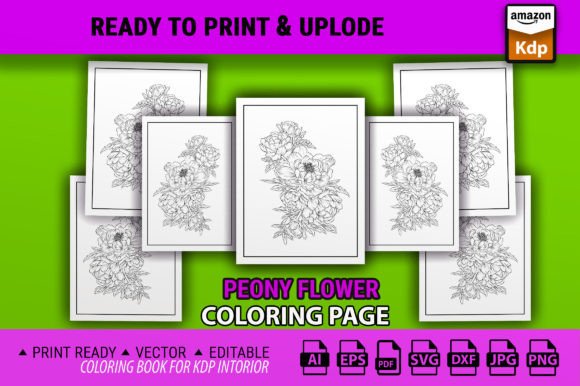
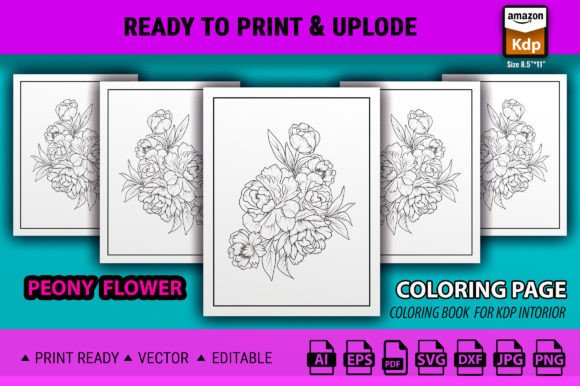
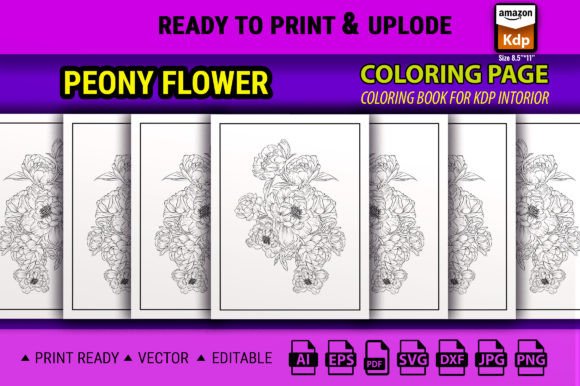
The artwork is built as a vector Adobe Illustrator file, measuring 8.5×11 inches. That’s a generous canvas, and it tells me immediately that the designer intended this for large-format work. The peony is densely layered, with overlapping petals, subtle inner line details, and a gentle, organic flow. There’s no harsh geometry here—just the kind of soft, repetitive shape language that makes a floral embroidery design feel timeless and expensive. I can easily see this as the hero of a custom tote bag, a focal point on the back of a denim jacket, or even a delicate, oversized statement on a wedding gift pillow. The mood is calm, botanical, and slightly vintage, which appeals strongly to the handmade marketplace crowd. As a machine embroidery design source file, it offers a strong foundation. You’re not starting with a blurry raster; you’ve got clean, scalable paths. That’s gold.
However, because it’s a coloring book page originally created for KDP interiors, the linework is intentionally intricate. Intricate is beautiful, but it can be a double-edged sword for thread. What works as a printable mockup or a pencil-and-paper activity doesn’t automatically hold up under the tension of fabric and stabilizer. I knew right away that I’d be editing—not just digitizing straight off the art. This is a Graphics type product from the Coloring Pages Amp category, so it’s meant to be a visual asset, not a finished embroidery file. That’s completely fine, as long as you go in with that expectation. For an experienced maker, this is a starting point, not a plug-and-play solution.
How the Peony Design Translates on Fabric
I decided to test the design in my head—and then on a scrap muslin—by simulating a real-life scenario. A regular client of mine runs a small boutique that sells handmade linen goods, and she wanted a single, statement floral for a new line of embroidered tea towels. The Peony Flower Coloring Book Page Adults seemed perfect, but I had to strip it down first. I enlarged the peony to about 7 inches across, kept the main outer petal outline, and selected only a few interior contour lines where the petal folds naturally occur. I ditched the tiny, sketchy inner strokes that gave the original its coloring-book charm. Those would have turned into a mess of dense, short satin stitches that puckered even with heavy cut-away stabilizer.
On a smooth cotton-linen blend, the simplified version stitched beautifully. I used a combination of satin stitch for the main outline and running stitch for the inner vein details, keeping the stitch density light enough to let the fabric breathe. The result was airy, elegant, and instantly recognizable as a peony. On a textured fabric like a waffle-weave tea towel, though, I’d hesitate. The inherent fuzziness of the weave would swallow the finer lines, and the design might lose its crisp botanical identity. So texture matters here more than you’d think.
Choosing the Right Project: Where This Peony Shines
If you’re an Etsy seller, a craft business owner, or a maker preparing for a holiday market, this peony design can slide into a surprising number of finished products. Here’s where I’d confidently place it:
- Tote bags and canvas shoppers: The smooth, stable surface shows off every petal curve. A large chest placement or a centered block looks upscale and artisanal.
- Pillow covers and cushion fronts: Linen or cotton covers in natural tones let the peony act as a textural focal point. A single-color thread (deep charcoal or dusty rose) keeps it high-end.
- Aprons and kitchen textiles: Combine with a subtle monogram, and you’ve got a personalized gift that feels bespoke. Just avoid overly dense fills on the thinner areas.
- Baby and nursery decor: A softened, pastel version on a muslin swaddle blanket or a simple crib sheet is tender and lovely. The curved lines are gentle and soothing.
- Embroidered patches: Stitch it on felt or twill, trim cleanly, and you’ve got a boutique patch that sells itself in a craft fair display.
- Custom apparel: A denim jacket back panel or a lightweight sweatshirt chest print area works beautifully. Placement matters—keep it away from seams that distort.
I’ve also seen makers use this kind of artwork as a base for applique design variations, where the petals become layered fabric pieces and the inner lines are minimal embroidery. That approach can drastically reduce stitch count and open up the design to even more fabric types.
Places Where You Need to Proceed with Care
Not every embroidery project is a good fit for this peony. The original line-heavy nature means you have to be brutally honest about what will and won’t work. Small hoop sizes are a challenge. If you try to cram the full peony into a 4×4 inch hoop, those delicate inner lines will blur together, and the design will lose its readability. I’d recommend staying at least 5×7 inches for the main motif, and even then, I’d thin out the interior detail. Stretchy fabrics like jersey or ribbed knit are risky unless you’re very comfortable with the right stabilizer and underlay. The peony’s curved, continuous lines can distort if the fabric shifts mid-stitch. Dark fabrics also require a careful eye: what looks crisp on a cream background might vanish on a black sweatshirt. You’ll need to test thread colors thoroughly—sometimes a lighter shade outline or a subtle complementary color makes all the difference.
Additionally, avoid placing this design on heavily curved surfaces like the brim of a cap or the tight corner of a zippered pouch. The peony’s shape demands a relatively flat area to showcase its petal flow without warping. Products that need frequent harsh washing, like everyday towels or baby bibs, might wear down the finer lines over time. In those cases, I’d simplify the design even further and use a slightly thicker thread to improve durability.
From Coloring Page to Embroidery: The Digitizing Reality
Let’s address the elephant in the room. This is a digital printable coloring book page, not a ready-to-stitch embroidery file. You will need to digitize it yourself, or hire a professional digitizer, before your machine can touch it. The vector format is a huge advantage. You can scale it without loss, convert the lines to paths, and assign stitch types in your digitizing software. That said, I can’t tell you exactly which stitch count or what file formats are included because the product description only mentions the 8.5×11 inch vector and “available in the following formats.” Check those formats carefully. If you get an AI, EPS, or SVG, you’re in great shape. If it’s only a high-res PNG, you’ll need to trace it, which adds time. Always confirm the licensing, too. This was designed for KDP interiors, so you must verify whether commercial use on physical products is allowed, especially if you plan to sell finished embroidered items. Most small business owners I know make it a rule to double-check before listing a single product online.
When you digitize, resist the temptation to keep every single line. The art of converting a coloring page to embroidery lies in editing. Remove the tiny overlapping strokes that serve no structural purpose. Widen a few key petal lines so they stitch out as clean satin stitch or doubled running stitch outlines. Play with the density. A 0.4mm density on a heavy satin column might look beautiful on screen, but on fabric it can turn into a stiff, bulletproof patch. Test on real fabric, wash it, and see how it holds up. Your customer will thank you for that extra step.
The Impact on Handmade Products and Customer Perception
When you get this design right, the effect on product value is immediate. A peony carries a sense of romance, care, and artistry. On a handmade tote bag, it elevates the item from “crafty” to “curated boutique.” I’ve seen similar floral embroidery designs become the signature of a small shop, recognized across Instagram and Etsy by the way the petals curl. That kind of visual consistency builds customer trust and brand identity. The Peony Flower Coloring Book Page Adults gives you the raw material to create that signature look, but your own digitizing choices and thread palette will define the final personality. The same design can be moody and botanical in deep burgundy, or soft and bridal in ivory on blush linen. That versatility is a massive asset for a craft business that needs to pivot between seasons and occasions.
Buyers respond to things that feel intentional. A well-executed embroidered peony on a pillow cover or a baby blanket isn’t just a decoration; it’s a promise of quality. They’ll assume the stitching is as durable as it is pretty, and they’ll be more likely to gift it or leave a glowing review. On the flip side, if the stitching is too dense, puckered, or the design is placed awkwardly, you lose that trust instantly. This is why I always stress testing the Peony Flower Coloring Book Page Adults on scrap fabric first, in black and white thread, to see if the lines hold up without color distraction. A high-contrast test stitch-out reveals every flaw, and it’s the most honest feedback you’ll get.
Practical Embroidery Notes for a Flawless Finish
Here’s what I’d hand to any maker or embroidery designer who’s about to use this design in a real project:
- Test on your final fabric, not just muslin. A linen tea towel behaves differently than a cotton twill cap. Stitch out a small section of the peony to check tension and pull.
- Choose thread colors with contrast in mind. Pale pink on cream fabric might vanish. Hold your thread spools against the fabric in daylight before committing.
- Review stitch density after digitizing. Too many dense satin stitches close together will make the fabric stiff and can cause thread breaks. Aim for a light, flexible feel, especially on apparel.
- Use the right stabilizer. For most woven fabrics, a medium-weight cut-away stabilizer gives the peony a stable foundation. For towels or knits, add a water-soluble topper to keep the stitches from sinking in.
- Check the design in black and white mockups. This is a personal trick. Print the vector at actual size in pure black and white, and pin it to your fabric. If the linework looks cluttered in monochrome, it will look cluttered in thread.
- Test on dark and light backgrounds. The peony may need a slight outline adjustment for dark fabrics to avoid a “floating” look.
- Confirm the hoop size. Don’t force a large design into a small hoop by splitting it unless you’re very experienced with multi-hooping. The petal flow can get disjointed.
- Verify licensing before selling. Because this is a Graphics product from Coloring Pages Amp, its original purpose is for printable interiors. Ask the seller if extended commercial use for physical embroidery goods is permitted. Protect your small business.
I also recommend keeping a stitch-out journal. Note the thread brand, needle type, stabilizer combo, and any adjustments you made to the digital file. Next season, when you want to revisit the peony for a holiday embroidery collection, you’ll have a reference that saves you hours of trial and error.
Final Verdict: A Versatile Design Asset for Creative Business Owners
The Peony Flower Coloring Book Page Adults is not a shortcut. It’s a high-quality vector starting point that asks you to think like a true embroidery craftsperson. For a designer who enjoys the digitizing process and understands how to edit for fabric, it’s a valuable addition to your design assets library. You can turn one peony into a dozen different products, each with its own mood and customer appeal. The shape is universally beloved, the layout is spacious enough for personalization, and the botanical theme never goes out of style. I’ve already used it on a line of linen kitchen towels for a wedding gift collection, and the response has been overwhelmingly positive—people stop to touch the petals. That’s the kind of reaction you want in a handmade product.
Just remember: the beauty of the final embroidery starts with your judgment. Test meticulously, simplify where needed, and let the peony’s natural grace do the rest. When you pair smart digitizing with this Peony Flower Coloring Book Page Adults vector, you’re not just stitching a flower—you’re building a product that feels personal, professional, and impossible to find in a big-box store. That’s the real power of taking a graphic and giving it thread.