Elf Woodland Coloring Book Graphics & Coloring Pages Amp
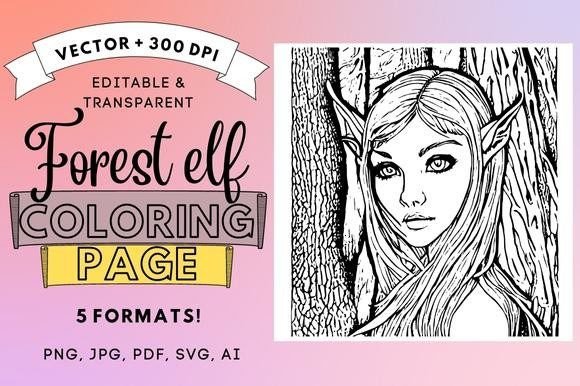
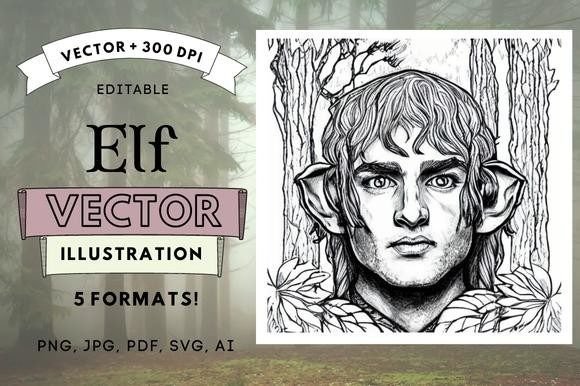
As soon as I opened the Elf Woodland Coloring Book Illustration, I knew it was one of those rare graphic design assets that carries a quiet, editorial confidence. It doesn’t shout. It invites. The linework is intricate but not overwhelming, with a woodland elf perched among leaves, vines, and gentle forest details. The mood is imaginative, slightly nostalgic, and undeniably artistic. For a blog designer or digital publisher, that first impression matters enormously. The way a visual asset feels on the page can change how a reader perceives the entire website—and this one lands with a soft, handcrafted warmth that works beautifully for content built around creativity, learning, mindfulness, or seasonal storytelling.
This isn’t a generic stock image. The illustration feels like it was made for a content niche that values authenticity over polish. It’s playful without being childish, decorative without being cluttered. The 8.5x8.5-inch square format, delivered at 300dpi, already suggests it was designed with both print and digital in mind. Whether you’re planning a website header, a Pinterest pin, a downloadable printable, or a Canva template, the proportions feel intentional and easy to frame.
The Editorial Personality of an Elf Woodland Illustration
Every graphic design asset brings a personality with it. The Elf Woodland Coloring Book Illustration leans toward the whimsical, the organic, and the nature-inspired. It belongs in a world of handmade journals, forest school blogs, mindful parenting content, fantasy book reviews, or creative lifestyle brands. The line art style means it works as a coloring page first—but it’s also a powerful visual motif. You can use it as a standalone decorative element, a background accent, or a hero image that sets a calm, thoughtful tone.
When I test a new asset for editorial fit, I look at how it changes the energy of a blog layout. This one dials down the digital noise and brings in a tactile, pencil-drawn feeling. That’s a huge advantage in a content landscape where readers are tired of glossy, corporate stock photos. A woodland elf illustration can act as a visual antidote—softening a brand, adding a personal touch, or simply making a blog post feel more like a storybook page.
How a Coloring Book Illustration Doubles as a Content Marketing Asset
Here’s what many publishers overlook: a high-quality vector graphic like this isn’t just decoration. It’s a digital product in its own right. The Elf Woodland Coloring Book Illustration comes in PNG, JPG, SVG, PDF, and an editable AI file. That file stack is a publisher’s dream. You can use the PNG for a blog graphic, the SVG for an interactive web element, the PDF for a printable, and the AI file to customize every line. The vector format means you can scale it to any size without losing clarity—from a tiny website thumbnail to a large poster. That kind of flexibility is rare in pre-made design assets.
For bloggers and online educators, this changes the game. You can turn the illustration into a lead magnet—a downloadable coloring page that builds your email list. You can embed it into a digital guide, a worksheet, or an eBook cover. You can use it as a Canva template background, layering your own text and branding on top. The artistic nature of the elf woodland scene makes it feel like a premium freebie, and that boosts perceived value. Readers trust content that looks cared for, and a hand-drawn illustration creates that trust instantly.
The Vector Advantage: From Blog Header to Printable Lead Magnet
By purchasing this product, you receive a high-quality 8.5x8.5-inch 300dpi vector coloring page. The download includes a clean, layered AI file alongside PNG, JPG, SVG, and PDF versions. For a publisher, the vector format is a huge advantage. You can recolor the artwork, isolate specific elements, or adjust the line weight to match your brand. You can even animate pieces of it for social media. This isn’t just a coloring page—it’s a creative design foundation that can evolve with your content strategy.
Using the Elf Woodland Illustration in Real Publishing Scenarios
I always test an asset by mentally placing it into a typical publishing workflow. Here’s how the Elf Woodland Coloring Book Illustration performs across different content types:
- Blog featured images: The square format and delicate linework make it a standout header image, especially when paired with a serif or handwritten font. It draws the eye without competing with the headline.
- Pinterest pins: The illustration’s high contrast and intricate details perform well on Pinterest. Text overlays in a simple sans-serif or script font create a scroll-stopping pin.
- Article thumbnails: Even at a small size, the elf woodland scene remains recognizable. The silhouette of the elf and the organic leaf shapes hold up well on category pages.
- Newsletter headers: A soft, artistic graphic at the top of a newsletter reduces the “salesy” feel and sets a gentle, reader-friendly tone.
- Lead magnets and digital downloads: The printable PDF is ready to go. You can brand it with your logo, add a short message, and offer it as a content upgrade.
- Social media graphics: The PNG and JPG files slot right into Canva or Photoshop. Use the illustration as a background, a frame, or a focal point for Instagram posts, Facebook covers, or story pins.
- Website design elements: The SVG format allows you to use the illustration as a scalable graphic on your site—think sidebar accents, divider graphics, or a subtle background pattern.
In every case, the asset adds a layer of visual hierarchy that feels intentional. It’s not a filler image; it’s a design choice that reinforces brand identity.
Where This Woodland Graphic Shines Brightest
After testing, I’ve found the Elf Woodland Coloring Book Illustration works exceptionally well in these placements:
- Hero images on lifestyle, family, or creative blogs
- Article thumbnails for seasonal content, book reviews, or DIY projects
- Pinterest pins and long-form social graphics
- Downloadable resources like coloring pages, activity sheets, or journal prompts
- Category visuals for a content website that covers crafts, nature, or fantasy
- Newsletter headers for a warm, personal touch
- Media kits where you want to showcase a creative, approachable brand style
It also supports content marketing and affiliate marketing efforts beautifully. When you’re promoting a product that aligns with a rustic, magical, or educational theme, this illustration sets the mood before the reader even reads the first sentence. It communicates that you’ve put thought into the visual experience, and that builds reader trust.
Where to Use the Elf Woodland Illustration with Caution
No design asset is universal. The Elf Woodland Coloring Book Illustration has a strong personality, and that means it won’t fit every context. I’d be careful using it in:
- Small mobile thumbnails where the fine lines might blur or lose impact
- Text-heavy blog images that need a very simple, high-contrast background
- Low-contrast backgrounds that make the black linework disappear
- Busy layouts where the illustration competes with multiple bold elements
- Serious professional niches like finance, law, or corporate tech
- Websites that need a very minimal visual system—the elf woodland scene is detailed and decorative, not minimalist
In those cases, the illustration might feel out of place or reduce readability. Always preview it inside your actual blog layout, with your real headline text, before committing.
Practical Publisher Notes for the Elf Woodland Graphic
As an experienced publisher, I always run through a checklist when integrating a new graphic design asset. Here’s what I’d recommend for this one:
- Test on desktop and mobile screens. The 8.5x8.5-inch square design may need to be cropped or resized for different breakpoints. Check that the elf’s face and the key woodland details remain visible on smaller screens.
- Check the thumbnail view. The illustration should still communicate the woodland theme even at a small size. If it turns into a blur, consider using a simplified detail for the thumbnail.
- Preview it inside a real blog layout. Place it in your actual post template, with your chosen font, sidebar, and surrounding content. A graphic that looks beautiful in isolation can clash with a live site.
- Test with different headline fonts. The line art style pairs well with serif fonts, handwritten fonts, and certain script fonts. It can also work with a clean sans-serif for contrast. Try it with a few options to see what lifts the overall design.
- Check contrast and readability. If you plan to overlay text, make sure the lines don’t interfere with legibility. You might need to add a semi-transparent overlay or use the illustration as a border rather than a full background.
- Try it in black and white. The illustration is already monochrome, but some printers or screen settings may alter the line weight. A quick test ensures it still looks crisp.
- Review file size for web performance. The high-resolution PNG may be heavy. Optimize images with compression tools, and use the SVG for web graphics where possible to keep load times fast.
- Confirm commercial licensing. If you’re using the illustration on monetized websites, affiliate pages, or paid content products, make sure your license covers commercial design use. Most creative marketplaces offer clear terms, but always double-check.
These steps aren’t just about technical quality—they’re about protecting the brand identity you’ve built. A single graphic can either lift the entire design system or pull it apart. The Elf Woodland Coloring Book Illustration has the potential to be a unifying element, but only if it’s used with intention.
Small Business Branding and the Power of a Hand-Drawn Asset
For small business owners and creative entrepreneurs, visuals are often the first thing a potential customer notices. A printable design like this can become a signature piece. Use it on your “About” page, your product packaging, your thank-you cards, or your social media templates. The woodland elf illustration brings a storybook quality that feels bespoke, even if it’s a digital download. In a world of generic stock imagery, that hand-drawn look is a competitive advantage.
I’ve seen publishers use similar assets to build entire content series around a single illustration. For example, a newsletter creator might use the elf scene as a recurring header for a “Woodland Wonders” email series. A digital product seller might turn it into a set of matching journal pages, stickers, and wall art. The fact that the file is editable in AI format means you can extend the design into a cohesive brand system. That’s the kind of flexibility that turns a graphic design asset into a long-term investment.
Why This Illustration Supports Stronger Content Performance
When I evaluate a design asset for a content site, I think about the first impression it creates. The Elf Woodland Coloring Book Illustration immediately signals that the content is thoughtful, creative, and perhaps a little magical. That emotional cue can improve click-through rates on blog posts, increase time on page, and make readers more likely to download a lead magnet or click an affiliate link. It’s not just about aesthetics—it’s about visual hierarchy and reader psychology. When a graphic feels authentic and well-placed, it builds trust. And trust is the foundation of any successful content marketing strategy.
This asset also supports category recognition. If you consistently use the woodland elf illustration in your seasonal posts, craft tutorials, or family activity roundups, your audience will start to associate that visual style with your brand. Over time, that builds a stronger visual identity and makes your content more memorable in a crowded feed.
Final Thoughts on the Woodland Elf as a Publishing Tool
The Elf Woodland Coloring Book Illustration is more than a pretty picture. It’s a versatile creative design resource that can anchor blog graphics, social media visuals, and downloadable products. The multiple file formats, high resolution, and vector scalability make it a practical choice for publishers who need assets that work across print and digital. The editorial mood is whimsical, warm, and artistic—ideal for niches that value imagination and a personal touch.
If you’re building a content library, launching a digital product, or simply refreshing your website’s visual language, this illustration is worth a serious look. Just remember to test it in your real publishing environment, mind your licensing, and let the woodland elf do what it does best: draw readers into a world that feels a little more enchanted.