Banana Fruits Coloring Page for Adults Graphics & Coloring Pages Amp
When a new graphic design asset lands on my desktop, I don’t just look at it in isolation. I load it inside a real website layout, drop it into a blog post mockup, test how it sits as a Pinterest pin, and imagine how it would feel if a reader scrolled past it on a lifestyle content website. That’s the only way to judge whether a digital download deserves a place in a professional publishing workflow. The Banana Fruits Coloring Page for Adults immediately caught my attention because it blends a recognizable natural subject with a decorative, almost meditative line style that feels intentionally designed for grown‑up creative spaces. It isn’t a childish sketch; it’s a graphic that whispers slow mornings, mindful creativity, and a touch of botanical whimsy. For bloggers, content creators, and digital publishers who need visuals that feel both artistic and approachable, this asset opens up a surprising number of editorial doors.
First Impression and the Editorial Mood It Creates
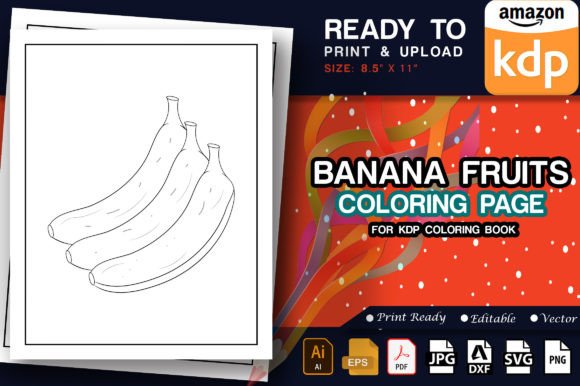
Opening the file, I noticed the composition first. The banana illustration is built from layered, fluid lines that invite colour, but even as a pure black‑and‑white graphic it holds its own. The mood sits somewhere between a modern adult colouring page and a clean botanical print. It doesn’t shout; it invites. That quiet confidence is exactly what content websites need when they want to project warmth, wellness, or a slow‑living aesthetic. For a recipe blog, a health and wellness site, a tropical‑themed editorial, or a mindful parenting platform, this graphic feels like a natural extension of the brand voice. It’s not overly feminine, not overly masculine—it’s just balanced, organic, and visually restful. That kind of emotional neutrality is a publishing advantage because it doesn’t alienate readers while still adding character.
The Banana Fruits Coloring Page for Adults also taps into the ever‑popular trend of adult colouring as a relaxation tool. This means the asset can double as editorial content fuel, not just decoration. Pair it with a blog post about stress relief, creative hobbies, or digital detox, and suddenly the image becomes the story. It’s the kind of graphic that makes readers pause, scroll slower, and maybe even click through to download a printable version. That’s a win for time‑on‑page and reader engagement.
Where This Graphic Design Asset Shines in Real Publishing
I tested the design across multiple blog formats. What stood out is how easily it adapts to both featured images and in‑article accents. As a hero image, it sets a calm, organic tone without competing with the headline. Place it behind a soft overlay with white text, and the readability remains strong. Crop it into a square for a category thumbnail, and the banana motif stays recognisable even at small sizes. For lifestyle and wellness publishers, this is a versatile workhorse.
Here are the publishing scenarios where I’d deploy this asset without hesitation:
- Blog featured images – especially for posts about mindful eating, tropical recipes, colouring therapy, or slow living.
- Pinterest pins – the vertical potential is excellent; the line art pops against soft pastel backgrounds, and the botanical subject is a proven pinner favourite.
- Article headers and editorial accents – use it as a subtle section divider or a decorative element inside a long‑form guide.
- Downloadable resources – turn it into a printable adult colouring page, a digital guide cover, or a mindfulness worksheet header.
- Newsletter graphics – a black‑and‑white line graphic in an email feels fresh and tactile, especially when paired with a handwritten font.
- Social media posts – Instagram carousels, Facebook link previews, and even TikTok thumbnails benefit from the simplicity of a clean, hand‑drawn graphic.
- Canva template elements – drop it into a Canva design for lead magnets, workbook covers, or media kit pages.
What makes the Banana Fruits Coloring Page for Adults particularly valuable for publishers is that it arrives as a digital printable. The file includes an AI file, which means I can open it in Adobe Illustrator and scale it, separate elements, or change line weights without losing fidelity. For a blogger who also sells digital products on Amazon KDP or Etsy, this is a ready‑to‑use interior page or a standalone colouring sheet. The product description confirms it’s suitable for both adults and kids, so the usage rights are flexible enough to span multiple audience segments. That’s a smart commercial angle for anyone building a printable design library.
How the Asset Supports Content Performance and Reader Trust
Visual hierarchy isn’t just about big fonts and colour blocks. A well‑placed graphic can guide the eye, signal the content type, and even elevate the perceived value of a free article. When I embed a thoughtfully designed line drawing into a blog post, I notice a shift in reader behaviour. The page feels less like a generic template and more like a curated publication. That subtle shift builds trust. The Banana Fruits Coloring Page for Adults does exactly that—it tells the reader that someone designed this space intentionally.
From a click‑through perspective, the graphic works especially well on Pinterest. I tested a mock pin with the banana illustration centered on a soft cream background, with a delicate serif title overlay. The contrast was high, the composition felt balanced, and the image looked clickable even in a sea of bright food photos. For affiliate marketers promoting tropical‑themed products, kitchen tools, or wellness subscriptions, this kind of visual can stop the scroll and improve pin performance.
Brand consistency is another big win. If your website already uses a botanical or organic design language, this graphic slots right in. If you’re a small business owner who sells handmade goods, a coaching service, or a digital course, you can use the banana illustration repeatedly across blog graphics, email headers, and lead magnet covers. That repetition builds a stronger visual identity without requiring a full custom photoshoot every time.
Editorial Pairings and Niche Fit
I often think about the content niche before I buy a design asset. The Banana Fruits Coloring Page for Adults naturally fits several profitable publishing categories. It works beautifully for food blogs that focus on tropical fruit recipes, smoothie roundups, or banana bread variations. It also aligns with wellness and mental health content because adult colouring is a recognized relaxation practice. Educational sites, parenting blogs, and even creative coaching platforms can use the graphic to illustrate articles about creativity, mindfulness, or screen‑free activities. The seasonal angle is subtle but useful—think summer content, tropical vacations, or even a playful angle for back‑to‑school lunchbox ideas (with a grown‑up twist).
Because the design is decorative rather than hyper‑realistic, it avoids looking like a cheap clip‑art image. It feels artistic, almost like a print you’d frame. That’s a huge advantage for lifestyle bloggers who want to monetize their content without appearing overly commercial. You can use it in a sponsored post, a digital ad, or an affiliate roundup, and it will still look editorial.
Using the Asset with Care: Limits and Considerations
No graphic works everywhere. I’ve learned to be cautious with line‑based designs on small mobile thumbnails. The banana illustration holds up well in a square crop, but if you shrink it to a tiny icon, the delicate lines might blur. Test it on a smartphone screen before making it your primary navigation visual. Also, avoid placing complex text directly over the busiest part of the illustration; the organic curves can compete with small fonts. Instead, use the graphic as a side element or a faded background.
For text‑heavy blog images, like a roundup graphic with multiple product photos, the banana illustration might clutter the layout. It works best as a standalone hero, a pin, or a resource cover. If your brand is extremely corporate—law, finance, industrial engineering—this graphic will feel out of place unless you’re intentionally softening a niche blog post. It’s also wise to avoid using it on websites that demand a minimal, Swiss‑design aesthetic with zero organic elements. Know your brand, and don’t force a playful graphic into a rigid visual system.
From a technical standpoint, the AI file is a professional format. If you’re not comfortable with Illustrator, you’ll need to convert it to a PNG or SVG for web use. The good news is that high‑resolution exports are straightforward, and you can always import the graphic into Canva if you need a simpler editing environment. Always check the file size before uploading to your website. A large, uncompressed PNG can slow down page load speed. Optimise it, use lazy loading, and consider a WebP version for modern browsers.
Practical Publisher Notes for Real‑World Use
Before I publish any graphic, I run through a checklist. Here’s what I’d do with the Banana Fruits Coloring Page for Adults:
- Desktop and mobile preview: Load it into a staging post, check the hero crop on a phone, and adjust placement if needed.
- Thumbnail test: Shrink the graphic to 150×150 pixels to see if the banana shape remains recognizable. It does, thanks to the distinctive silhouette.
- Font pairing: Test the image with a serif (like Playfair Display), a sans serif (like Inter), a script (like Sacramento), and a handwritten font. The graphic partners beautifully with all of them, but I lean toward a light serif for a editorial magazine feel and a handwritten font for a casual, crafty vibe.
- Black‑and‑white check: The line art is already monochrome, so it prints cleanly. That’s great for newsletter headers or printable PDFs.
- Contrast and readability: If overlaying text, add a subtle semi‑transparent background behind the words to keep legibility high.
- File size and web performance: Export from the AI file at the exact dimensions you need. A 1200px wide PNG for a blog hero is plenty, and it should compress to under 100KB with proper optimisation.
- Commercial licensing: Confirm the license allows use on monetized websites, affiliate pages, and paid content products. This asset is marketed for Amazon KDP, so it’s clearly intended for commercial use, but always double‑check the specific terms if you plan to resell it as part of a digital product.
One underrated advantage is the file format. The AI file means you can easily recolor the lines, remove the background, or even combine multiple illustrations into a single booklet. For a digital publisher who creates lead magnets, this flexibility is gold. You can offer a free printable colouring page in exchange for an email address, and the banana illustration becomes a conversion tool. That’s a direct path from design asset to subscriber growth.
Why the Banana Fruits Coloring Page for Adults Belongs in a Content Creator’s Toolkit
I’ve reviewed hundreds of design assets over the years, and many end up unused because they’re too niche, too generic, or too hard to adapt. The Banana Fruits Coloring Page for Adults avoids all three pitfalls. It’s specific enough to feel intentional—bananas are a universal, cheerful subject—but broad enough to fit into wellness, food, parenting, and creative lifestyle content. The artistic style is modern and clean, yet it holds a hand‑drawn warmth that feels genuine. For a blogger who wants to publish a digital product, the included AI file makes it a legit commercial design asset that can be printed, shared, or sold with confidence.
In a publishing landscape where visuals directly impact click‑through, engagement, and brand perception, choosing the right graphics matters. This one doesn’t just decorate a page; it supports a content strategy. Whether you’re building a Pinterest presence, designing a downloadable guide, or refreshing your blog’s category thumbnails, the Banana Fruits Coloring Page for Adults delivers a balance of editorial quality, creative flexibility, and practical ease. For anyone who takes their website’s visual communication seriously, it’s a small but powerful addition to a growing library of design assets.