Peony Flower Vector Sketch: Graphics & Coloring Pages Amp
Editorial First Impressions: The Visual Mood of a Peony Sketch
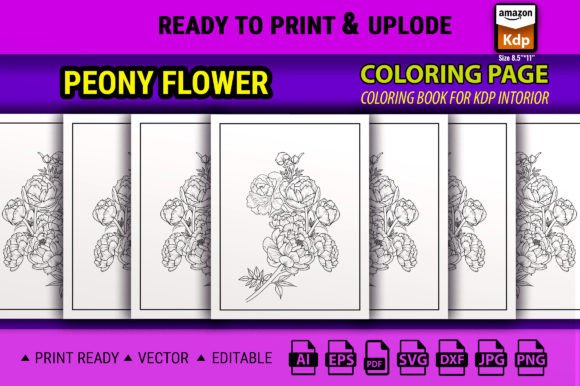
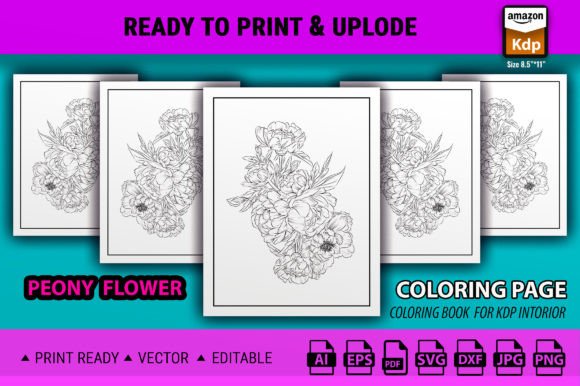
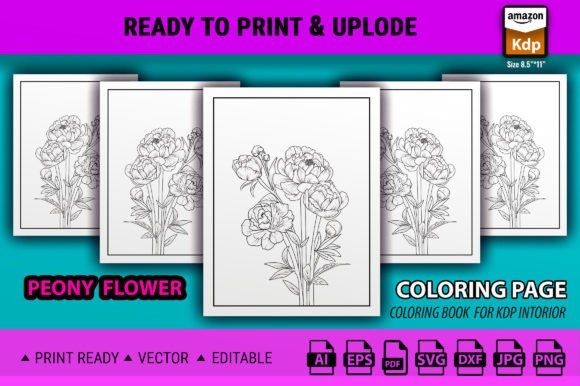
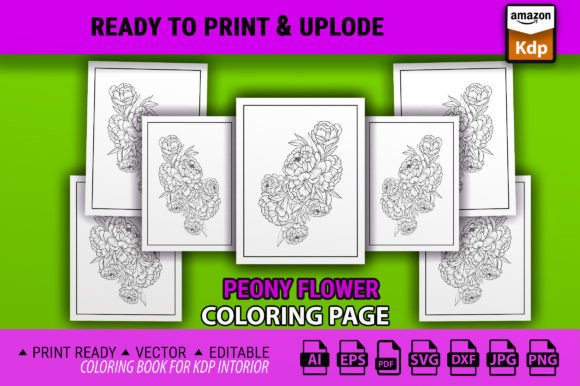
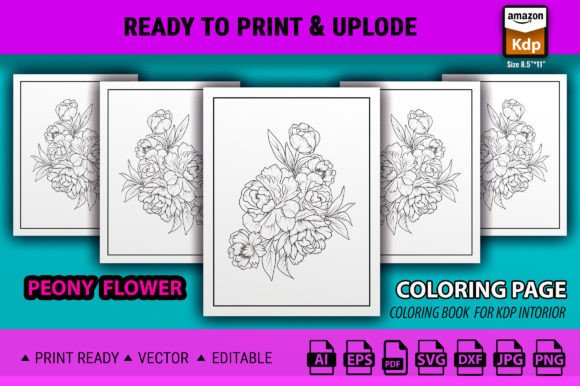
When I first opened the Peony Flower Vector Sketch Coloring Page, the immediate mood was quiet, artistic, and deeply intentional. This isn’t a rushed stock photo or a generic floral clip. The hand-drawn vector quality gives it an editorial softness that works beautifully for lifestyle, wellness, creative hobby, and seasonal content. The peony itself feels both delicate and structured—its linework is clean enough to sit inside a modern blog layout, but the illustrative nature adds a human touch that overly polished photography sometimes misses.
For a digital publisher, that balance matters. A graphic design asset like this can shift the entire perception of a page. It signals that the content is crafted, not just assembled. Think about a reader landing on a self-care article, a printable journal guide, or a spring-themed DIY roundup. The Peony Flower Vector Sketch Coloring Page sets a tone that is calm, feminine, and slightly whimsical without feeling childish. That’s a rare line to walk, and it’s exactly what makes this asset so useful for editorial branding.
From Coloring Book Interior to Premium Blog Graphics
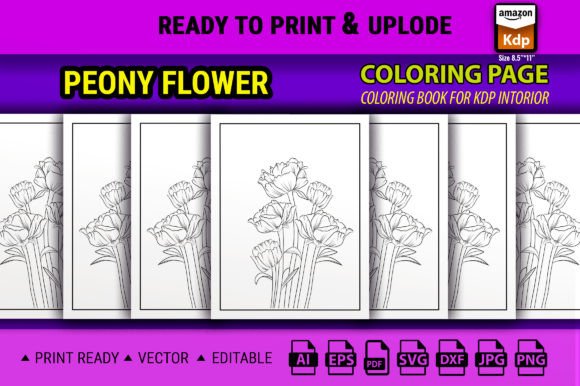
Originally created as a digital printable for adult coloring books and KDP interiors, the Peony Flower Vector Sketch Coloring Page is a vector illustration measured at 8.5×11 inches. It comes in multiple file formats, including Adobe Illustrator source files, which means you can scale it, recolor it, or repurpose it without losing quality. For a content creator, that’s a massive advantage. You’re not locked into one use case. You can pull the same peony into a website header, a Pinterest pin, a lead magnet cover, and a downloadable printable—and it will hold its crispness across every platform.
The fact that it’s part of the Coloring Pages Amp category doesn’t limit it. If anything, it opens up a layered content strategy. You can offer the black-and-white sketch as a free coloring page download to grow your email list, then use the same vector in a tinted, full-color version for your blog’s featured image. That kind of visual consistency is gold for brand identity and reader trust.
Where This Floral Vector Works Best in Real Publishing
I’ve mapped this asset across a dozen real publishing workflows. Here’s where it shines:
- Blog featured images and article headers – The peony creates an instant editorial signature, especially when paired with a clean sans-serif headline.
- Pinterest pins – Vertical pins with the sketch as a decorative frame or central focal point tend to stop the scroll. The organic linework contrasts beautifully with the bright, text-heavy pins that dominate feeds.
- Digital guide and lead magnet covers – A tinted peony on a soft background makes a workbook, checklist, or printable guide feel premium and intentional.
- Email newsletter headers – The vector translates well to email-safe widths. It adds personality without breaking the flow of the message.
- Category thumbnails and media kit accents – A consistent floral motif across your category pages or media kit creates a cohesive, creative design system.
- Social media graphics – Instagram posts, Facebook covers, and even LinkedIn article banners (if your niche allows for a softer touch) benefit from the unique visual pause the sketch provides.
One Asset, Many Publishing Layers
What I appreciate most as a publisher is the vertical depth this digital product offers. You can use the same Peony Flower Vector Sketch Coloring Page for a printable digital download on your shop page, as a Canva template background for your content upgrades, and as a subtle website header accent. The 8.5×11-inch size is a familiar print format, so it’s ready to go for any printable design you want to sell or give away. But because it’s vector, you can crop it, change the stroke weight, or isolate a single bloom for a small space—like a mobile thumbnail or a sidebar widget.
Where You Should Use It Carefully
No design asset is universally perfect. The Peony Flower Vector Sketch Coloring Page has a distinct personality, and that’s its strength—but it also means you need to be thoughtful about placement:
- Small mobile thumbnails – The intricate linework can become muddy at very small sizes. Test it at 150×150 pixels before using it as a category icon.
- Text-heavy blog images – If you’re overlaying long headlines or dense copy, the sketch may compete for attention. Use it as a decorative frame rather than a full background.
- Low-contrast backgrounds – The black-and-white version can disappear on soft gray or pastel backgrounds. A quick tint or a subtle drop shadow fixes this.
- Serious professional or corporate niches – A law firm blog or a B2B SaaS site might not find the right fit. But even then, a stylized, monochromatic version could work for a seasonal internal newsletter or a team-building event page.
- Busy layouts – Let the peony breathe. It works best when there’s ample white space around it.
Design Pairings: Fonts, Colors, and Layout Harmony
One of my favorite pre-publishing tests is to place a graphic design asset next to different font styles. The Peony Flower Vector Sketch Coloring Page pairs exceptionally well with:
- Serif fonts – A classic editorial combination. The peony’s delicate lines echo the elegance of a refined serif, perfect for lifestyle or literary blogs.
- Handwritten and script fonts – This creates a cohesive, artisanal feel. It’s ideal for wedding content, DIY projects, or wellness brands.
- Clean sans-serif fonts – The contrast between the structured text and the organic sketch is modern and balanced. Think of it as a breath of fresh air in a minimal design.
- Display fonts – Use sparingly, but a bold display font can anchor the peony and give the whole composition a magazine-quality punch.
Color-wise, the black-and-white vector is a chameleon. You can keep it monochrome for a sophisticated, line-art modern design look, or add a soft blush, sage green, or dusty blue to fit a seasonal palette. I often create a tinted version for spring content and a charcoal version for autumn. This flexibility turns a single creative design into a year-round visual tool.
Publishing Workflow Tests: Desktop, Mobile, and Thumbnail Readability
Before you commit any design assets to a live site, run them through a simple checklist. I tested the Peony Flower Vector Sketch Coloring Page across several scenarios:
- Full-width hero image – On a desktop, the peony fills the top of a blog post with elegance. Pair it with a short, bold headline and a soft overlay for a premium look.
- Mobile preview – The lines remain crisp because it’s vector, but the intricate center might get lost on smaller screens. I’d recommend a slightly simplified version for mobile headers, or use the peony as a side accent instead of a full-banner image.
- Thumbnail test – At 300×200 pixels, the peony is still recognizable. The key is to make sure the stem or a distinct petal shape is visible to maintain brand recognition.
- Blog layout integration – I dropped it into a real blog template with a two-column layout. The peony worked beautifully as a post divider or a category header. It added polish without overwhelming the text.
- Black-and-white conversion – Since it’s already a line drawing, this is a non-issue, but if you tint it, test the grayscale version for accessibility and print-friendliness.
File Sizes, Web Performance, and Image Optimization
As a digital publisher, I’m always cautious about page speed. The source files are AI and EPS, which are large, but you’ll export to PNG, JPG, or SVG for web use. An SVG version of the Peony Flower Vector Sketch Coloring Page can be incredibly lightweight and infinitely scalable. I keep a compressed SVG for the main site, a high-res PNG for Pinterest, and a JPG fallback for email clients that don’t support SVG. Always compress images properly—TinyPNG or Squoosh work well—and use lazy loading for any decorative elements. For printable downloads, a 300 DPI JPG or PDF is the standard, and the 8.5×11-inch size is already set for that.
Commercial Use, Licensing, and Monetization
Before you build a paid product around this asset, confirm the commercial license. Many creative marketplace designs come with a standard license that covers personal use and limited commercial use, but if you plan to sell printable bundles, use it in a paid membership, or feature it on a monetized affiliate blog, you need extended rights. The Peony Flower Vector Sketch Coloring Page is a digital download from the Coloring Pages Amp category, so it’s likely intended for both personal and KDP commercial use—but always double-check the license terms. I keep a file of licensing confirmations for every asset I use in client work or affiliate marketing content. It’s a small step that protects your small business branding and your income streams.
How This Sketch Supports Content Performance
A well-chosen graphic design asset does more than decorate. It directly influences how readers perceive your content and how likely they are to engage. The Peony Flower Vector Sketch Coloring Page can help in several measurable ways:
- Stronger first impression – A blog post with a custom, hand-drawn feel stands out in a sea of generic stock photos.
- Clearer visual hierarchy – The peony can frame your headline and guide the reader’s eye downward.
- Better click-through potential – On Pinterest and social media, the organic, artistic look often outperforms overly polished corporate graphics.
- More consistent branding – Using the same floral motif across your blog, emails, and printables reinforces your brand identity.
- Improved reader trust – When your visuals feel thoughtful and cohesive, readers assume your written content is equally thorough.
- Category recognition – A recurring peony sketch can become a visual shorthand for a specific content category or seasonal series.
Real-World Content Ideas That Go Beyond the Blog Post
I’ve already mentioned several uses, but let’s dig into a few concrete publishing scenarios:
- Lead magnet – “5 Journaling Prompts for a Creative Spring” with a peony-accented cover. The printable is a PDF, and the Peony Flower Vector Sketch Coloring Page becomes the cover art.
- Affiliate content visual – A gift guide or product roundup can use the peony as a decorative frame, making the image more clickable without obscuring the products.
- Digital guide – A 10-page self-care workbook with a consistent peony header on each page. It feels like a premium digital product readers would pay for.
- Newsletter series – Use the peony as a recurring header element for a seasonal newsletter, building recognition over time.
- Canva template – Offer a customized Canva template where readers can add their own text over the peony sketch for their own social media graphics. This is a low-effort, high-value content upgrade.
Final Publisher Notes on the Peony Flower Vector Sketch Coloring Page
As a blog designer and publisher, I’m always looking for design assets that pull double or triple duty. The Peony Flower Vector Sketch Coloring Page isn’t just a coloring page—it’s a flexible, editorial tool that can elevate a wide range of content. The vector format, the 8.5×11-inch base, and the multiple file options make it a smart addition to any creative design toolkit. Whether you’re building a website header, a Pinterest pin, a digital guide, or a printable design, this peony brings a sense of craftsmanship that readers notice and respond to. Test it in your own layout, pair it with your brand fonts, and watch how a single, well-placed botanical sketch can transform a page from ordinary to quietly memorable.