Heart Floral Mandala Coloring Pages 03: A Stitcher’s Take
As a designer who spends hours testing embroidery files on everything from denim to delicate onesies, I’ve learned that not every pretty graphic translates well into thread. When I first opened Heart Floral Mandala Coloring Pages 03, I immediately saw potential—but also a few things I’d want to double-check before committing to a full production run. This isn’t just a coloring page; it’s a design that could easily become a stitched piece of art, if you understand its personality. Whether you’re an Etsy seller looking for a new machine embroidery design or a small shop owner wanting to add a romantic touch to your handmade product line, this review will walk you through what matters most.
First Glance: The Mood and Shape of the Design
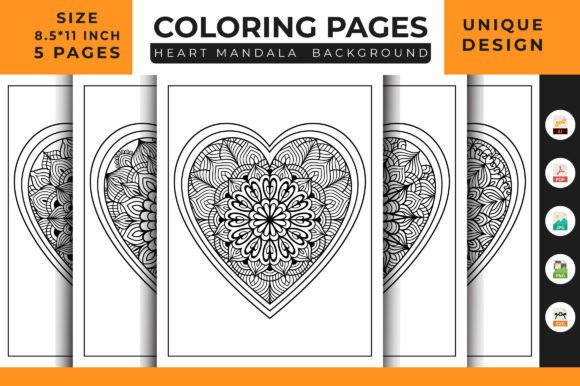
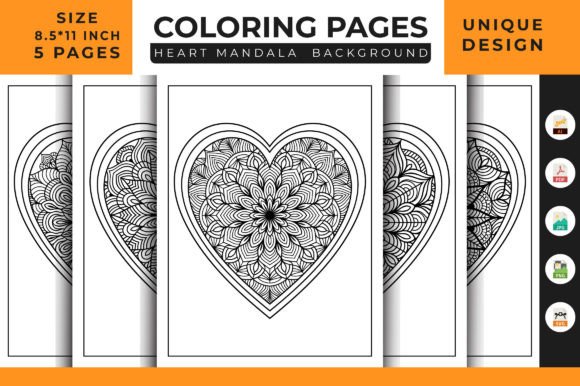
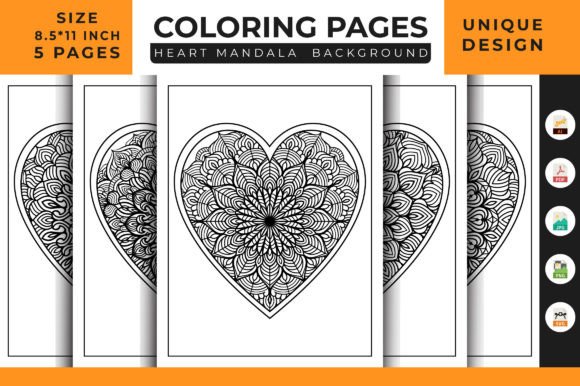
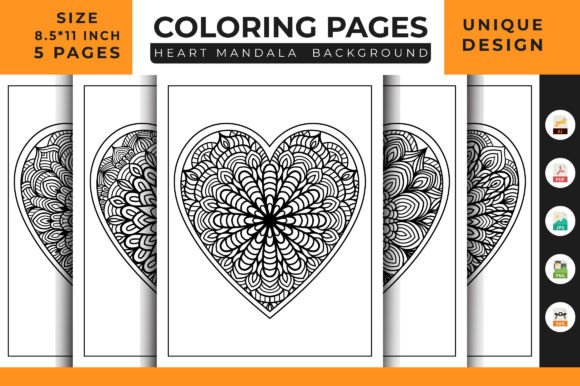
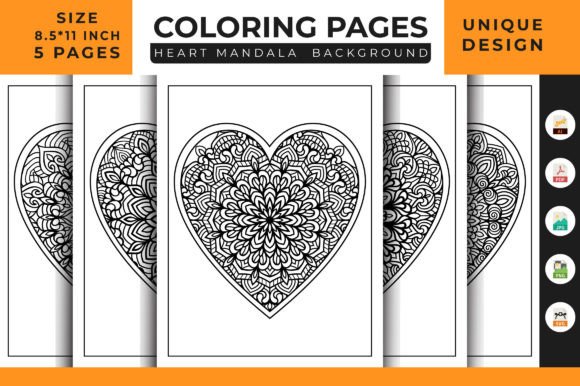
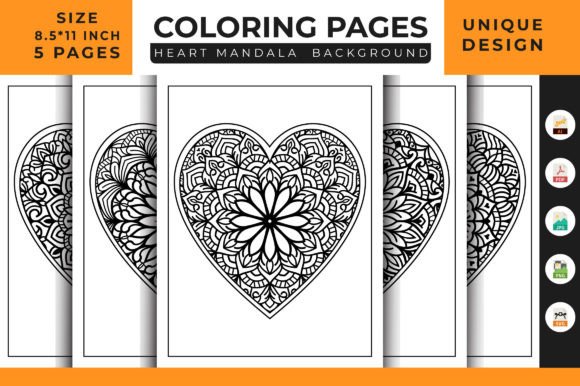
The heart shape is immediate and universal. But this isn’t a simple outline. The mandala structure brings a sense of calm, repetition, and intricate detail that reads as “handcrafted luxury” even before you digitize it. The floral elements woven into the heart give it a soft, organic feel—perfect for projects where you want to evoke warmth, affection, or a touch of bohemian elegance. The negative space is generous enough to keep the design from becoming a dense, bulletproof patch of stitches, and that’s the first win for embroidery. Many mandala designs are overly intricate, turning into a solid mass of thread that puckers fabric and breaks needles. This one strikes a good balance between detail and stitchability.
Where This Design Really Belongs in Your Embroidery Lineup
I wouldn’t call Heart Floral Mandala Coloring Pages 03 a one-size-fits-all graphic. It has a clear personality—romantic, whimsical, slightly bohemian—and that should guide where you use it. In my mind, it’s a natural fit for:
- Custom apparel: think lightweight sweatshirts, relaxed linen tops, or the back of a denim jacket. The heart shape works beautifully for personalized gifts, especially around Valentine’s Day or anniversaries.
- Tote bag design: a large, centered heart mandala on a natural canvas tote turns a simple accessory into a boutique-worthy statement piece. I’ve seen similar designs sell out at craft fairs.
- Nursery decor and baby embroidery: the soft floral theme is gentle enough for baby blankets, crib sheets, or a sweet little onesie. Just keep the stitch density low and use a soft, tear-away stabilizer.
- Holiday embroidery: while not overtly seasonal, this design can be recolored in festive threads—deep reds and greens for Christmas, or icy blues for winter weddings.
- Embroidered patch: with the right border, this could be stitched on felt or twill and sold as a standalone patch for jean jackets or bags.
It’s also a strong candidate for printable mockup use if you’re selling digital products. The clean lines in the coloring page version mean you can show it on a digital mockup of a pillow cover or a t-shirt, and it will look crisp and professional.
The Devil in the Details: What You Need to Test Before Selling
As always, the difference between a design that looks good on screen and one that stitches beautifully is a disciplined testing process. I’d never skip this, and neither should you. With Heart Floral Mandala Coloring Pages 03, here are the specific areas I’d check:
- Stitch density: the mandala’s thin lines and floral petals will need a careful digitizing approach. You’ll likely use a mix of running stitch for the delicate outlines and satin stitch for slightly thicker petals. Avoid fill stitch in the small areas unless you want a stiff, heavy result.
- Hoop size: this design is naturally suited to a medium hoop—probably 4x4 or 5x7 inches. If you try to squeeze it into a smaller hoop, the tiny mandala details will blur together. Don’t go smaller than the design’s natural proportions without testing.
- Fabric texture: on a smooth, tightly woven fabric like cotton poplin, it will shine. On textured fabrics like terry cloth or looped knit, some of the fine lines might get lost. Test on a scrap of the exact fabric you plan to use.
- Stabilizer choice: for a design with this much open space, a cut-away stabilizer on knits and a tear-away on wovens is my go-to. Floating a piece of water-soluble topping on top of textured fabrics can also keep those tiny stitches from sinking in.
- Thread colors: the black-and-white coloring page is a blank canvas. Try a monochromatic pastel for a soft, romantic look, or go bold with a dark background and a metallic gold thread for a luxury finish. Always test thread colors on the actual fabric, because what looks vibrant on a white screen can turn muddy on oatmeal linen.
A Real-World Test: Embroidering a Tote Bag for a Bridal Shower
Last spring, I had a client who wanted a set of custom tote bags for a bridal shower party. She wanted something elegant but not stuffy, and the budget allowed for single-color embroidery. I immediately thought of a heart mandala. I digitized a version of Heart Floral Mandala Coloring Pages 03 in a dusty rose thread, sized it to about 5 inches wide, and stitched it on a cream-colored canvas tote.
The result was exactly what she’d hoped for. The heart shape read clearly from across the room, but up close, the floral details invited compliments. The stitches held up without puckering because I’d used a medium-weight cut-away stabilizer and kept the stitch density light. She later told me the guests used those totes as beach bags, and the embroidery stayed crisp even after several washes. That’s the kind of real-world performance that builds trust and repeat customers.
If you’re selling a finished product like this, Heart Floral Mandala Coloring Pages 03 gives you a design that feels personal and high-end without requiring hours of thread changes. For a craft business owner, that’s a huge win.
Commercial Projects and Licensing: The Fine Print
The product listing says it’s a coloring page for KDP interior, but also usable for stickers, t-shirts, and other projects. That suggests a generous commercial license, but you must confirm this before you sell anything. As an embroidery designer, you’re not just using the graphic—you’re likely digitizing it into a digital embroidery file format. That may be considered a derivative work, and not all graphics licenses allow for resale as an embroidery design file. If you plan to sell the digitized embroidery file itself, or the physical items you stitch with it, double-check the terms. Usually, creating a finished physical product like a tote or a sweatshirt is safe, but selling the digitized file as your own might be off-limits. When in doubt, reach out to the seller.
For Etsy seller shops, being able to show a printable mockup of the design on a product helps you list before you stitch. The clean black-and-white lines of the original coloring page make it easy to create a professional computer-generated mockup that accurately represents the embroidery placement.
Thread Choices and Fabric Considerations That Matter
One pitfall I see often is picking the wrong thread weight for a delicate design. A 40-weight polyester thread is my standard for most mandala work. It’s strong enough for frequent washing but thin enough to preserve those tiny gaps between the floral elements. If you go with a heavier 30-weight thread, you might lose some of the airy, open feel that makes the design so appealing.
Fabric color is another big factor. The heart mandala reads best when there’s strong contrast between the thread and the fabric. A pale thread on a dark background gives a dramatic, ethereal look, while a bright thread on a light background feels fresh and springlike. Avoid using a thread color that’s too close to the fabric’s base tone, or all those carefully digitized details will simply disappear. Test on both light and dark scraps before committing to a full run.
Stretchy fabrics like jersey or ribbed knits need extra care. The mandala’s symmetrical shape can distort if the fabric moves during hooping. Use a fusible mesh stabilizer directly on the back of the fabric to lock everything in place, and float a second layer of tear-away under the hoop for extra support.
When to Be Careful: Small Hoops and Curved Surfaces
I wouldn’t recommend this design for very small hoops—think 2x2 inches or smaller. The petals and mandala details will start to blur, and you’ll lose the delicate charm that makes it special. Similarly, curved surfaces like caps and hats can warp the heart shape. The round mandala pattern inside the heart can look skewed if the cap’s seam pulls the fabric unevenly. If you do want to use it on a cap, expect to spend extra time on placement and digitizing to compensate for the curve.
Frequent washing is another consideration. A custom apparel piece like a sweatshirt will see a lot of friction. Satin stitch-only sections can snag if the thread loops are too long. I’d recommend a combination of short satin stitches and running stitches for the finest lines, and always do a wash test on a sample before you sell a single item.
Final Verdict: Is Heart Floral Mandala Coloring Pages 03 Worth Stitching?
For the right project, absolutely. Heart Floral Mandala Coloring Pages 03 brings a timeless, romantic shape with enough design detail to feel special but not so much that it becomes a digitizing nightmare. It’s a strong candidate for personalized gift products, boutique totes, nursery items, and holiday embroidery. The key is respecting its delicate nature, testing thoroughly, and matching it to the right fabric and thread.
As a designer, I’d keep this file in my library for those moments when a client wants something that feels handmade, heartfelt, and a little bit heirloom. It’s the kind of design asset that can elevate a simple handmade product into a piece people remember. Just remember: no graphic is stitch-ready until you’ve put it through its paces. Test it, tweak the density, and then watch it become a bestselling part of your embroidery lineup.