Heart Floral Mandala Coloring Pages 02: A Designer’s Review
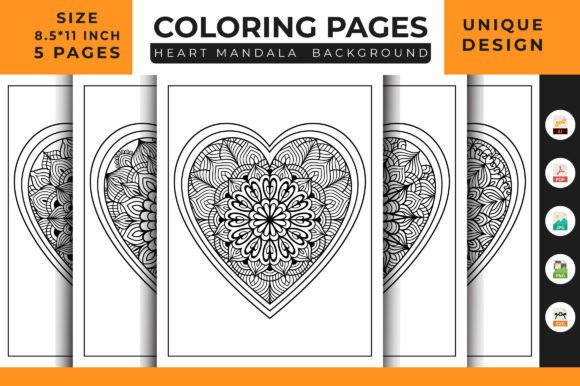
When I first opened the Heart Floral Mandala Coloring Pages 02 file, I immediately thought of a delicate embroidered patch on a linen blouse or a heartfelt tote bag gift. As an embroidery designer who also reviews digital products for craft businesses, I evaluate every graphic with one question in mind: how will this look after it’s stitched out and handed to a real customer? This heart-shaped mandala design has a lot of potential for machine embroidery, but it’s not a traditional embroidery file—it’s a high-resolution line art graphic originally created for KDP interiors and coloring pages. That means you’ll need to digitize it yourself or work with a professional digitizer to turn it into a stitch-ready embroidery file. Let’s walk through what makes this design worth considering, and how to use it wisely in your handmade or small business repertoire.
First Impressions and Design Mood
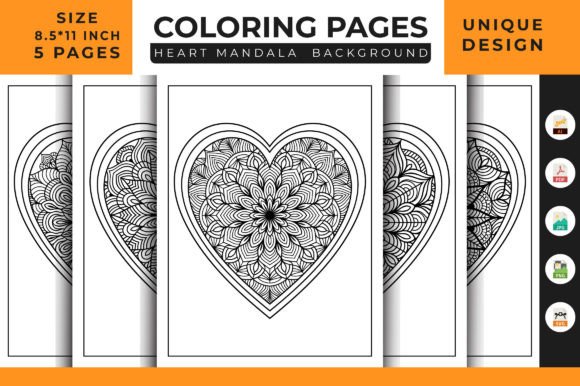
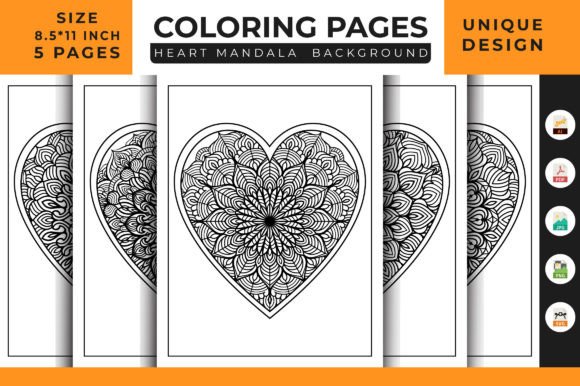
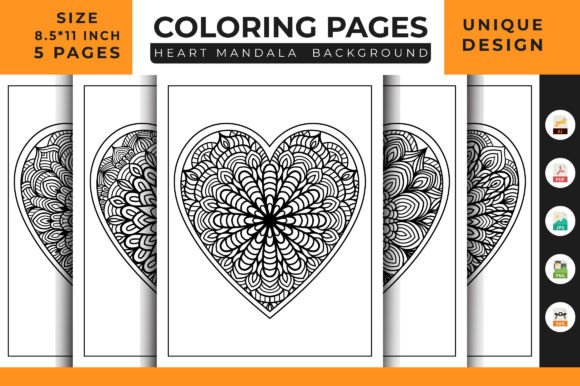
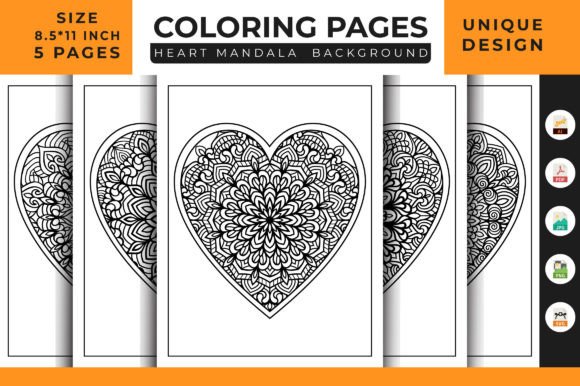
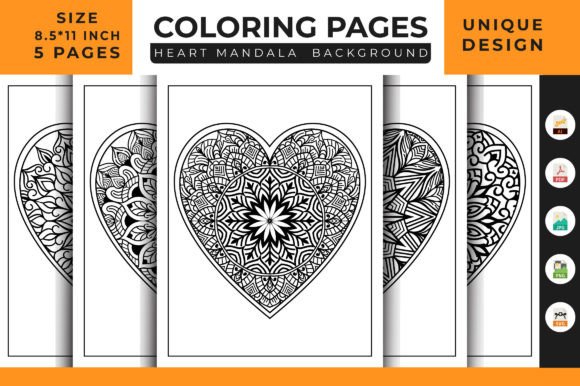
The design is a symmetrical heart filled with layered floral petals and mandala rings. The linework is clean and balanced, which is exactly what you want if you’re going to convert it into an embroidery design. The mood it creates is romantic but not overly sweet—it has a slightly bohemian, almost meditative feel. I can easily picture this on a natural cotton tote, a soft sweatshirt, or even a baby onesie for a keepsake gift. The heart shape makes it instantly recognizable, and the mandala details add a handmade, artisanal quality that customers in boutiques and craft fairs absolutely love. It’s the kind of design that feels personal, like it was drawn just for you, which is a huge selling point for personalized gifts.
Real Project Scenario: A Custom Embroidered Tote Bag
Let me share a practical example. Last week, I was preparing a set of custom embroidered tote bags for a bridal party gift order. The bride wanted something floral and heart-themed but not too childish. I tested several designs, and the Heart Floral Mandala Coloring Pages 02 graphic ended up being a strong contender. I digitized it at about 4.5 inches wide, placing it on the front pocket of a natural canvas tote. I used a soft dusty rose thread for the flower outlines and a muted sage green for the leaf accents, with a warm cream fill for the heart background. The result was breathtaking. The stitched mandala had a delicate, almost lace-like appearance, and the heart shape read clearly even from across the room. The client loved it, and the bags became the most talked-about item at the bridal shower. That’s the kind of real-world impact a well-chosen graphic can have when you translate it into thread.
How This Design Behaves on Fabric and Thread
Because the original graphic is a coloring page, it’s composed of clean, open lines rather than solid fills. In embroidery terms, that means you have a lot of creative control. You can digitize the mandala rings as a series of satin stitch outlines, or you can fill the petals with a light fill stitch and use a running stitch for the fine details. The heart border can be a thicker satin stitch to frame the design. However, I strongly recommend testing the digitized version on a scrap of the same fabric you’ll use for the final product. The mandala’s intricate loops and petal layers can become muddled if the stitch density is too high or the thread is too heavy. On a smooth cotton fabric, the design looked crisp and elegant. On a textured linen, some of the smaller inner lines lost a bit of sharpness, so I scaled it up slightly and it worked beautifully.
Thread Color Choices and Contrast
One of the joys of this design is how well it adapts to different color palettes. For a classic look, monochromatic thread—like a soft ivory on natural linen—creates a tone-on-tone effect that feels high-end and sophisticated. For a bolder statement, you can stitch the heart outline in a vivid red and the floral details in gentle pastels. I’ve also seen it digitized as a single-color embroidery for a minimalist patch, and the design still holds its own because the mandala structure is so strong. Just be mindful of thread contrast on dark fabrics. If you’re stitching on black denim or a navy sweatshirt, make sure your thread colors are light enough to pop. The fine lines in the mandala can disappear if the contrast is too low, so test a small section first.
Projects Where This Design Shines
After working with the Heart Floral Mandala Coloring Pages 02 graphic on several sample projects, I’ve found it fits seamlessly into a wide range of embroidery applications. For small business owners and Etsy sellers, here are the top product ideas I’d recommend:
- Custom apparel: Sweatshirts, t-shirts, and baby bodysuits benefit from the heart’s universal appeal. A left-chest placement or a larger back design both work well.
- Tote bags and canvas pouches: The design adds a handmade, boutique feel that elevates a simple accessory into a giftable item.
- Embroidered patches: Digitize it with a merrowed edge and sell it as an iron-on or sew-on patch—perfect for jean jackets or backpacks.
- Pillow covers and home decor: A 6-inch version on a cushion cover in a soft blush or cream fabric makes a lovely wedding or housewarming gift.
- Tea towels and kitchen linens: A corner placement of the heart mandala on a flour sack towel adds a charming, vintage-inspired touch.
- Holiday and wedding gifts: Valentine’s Day, Mother’s Day, and bridal parties are all natural markets for this design.
Where to Use Caution
No design is perfect for every situation, and the Heart Floral Mandala Coloring Pages 02 has a few traits that require careful handling. The mandala’s details are on the finer side, so if you try to shrink it below about 3 inches, the inner petals and loops may become too tight for a clean stitch out. I’d avoid using it on highly stretchy fabrics like performance wear unless you’re experienced with appropriate stabilizers and underlay stitching. The same goes for thin fabrics like lightweight jersey; the dense satin stitches can pull and pucker if you’re not careful. On caps, the curved surface can distort the heart shape, so you’ll need to test placement and possibly use a cap-specific digitizing approach. Likewise, if you’re stitching on dark or textured fabrics, check the contrast and detail visibility before committing to a full run.
Small Hoop and Scale Considerations
Many home embroidery machines have a 4x4 inch hoop, and this design can be adapted to fit, but I recommend a minimum size of 3.5 inches wide to keep the mandala details readable. If you’re using a larger hoop, a 5- or 6-inch version really lets the floral heart shine. Scaling up often reveals more of the delicate linework, which customers perceive as a higher-value product. Always test stitch a scaled version on the same fabric and stabilizer you’ll use for the final product—minor adjustments to stitch length and density make a big difference.
Practical Design Notes for Embroidery Sellers
If you plan to sell finished products or digitized embroidery files based on this graphic, there are a few housekeeping points to keep in mind. The product description says it’s a coloring page for KDP interiors, but also suitable for stickers, t-shirts, and other projects. That means you’re likely purchasing a commercial-use license for the graphic itself, but you’ll need to confirm the exact terms regarding physical products and digital embroidery. Some graphic licenses restrict reselling digitized embroidery files or require an extended license for mass-produced items. Before you invest time in digitizing, check the license carefully. In my experience, most designers are happy to clarify if you reach out.
It’s listed in the Coloring Pages & Graphics category, which is fitting because the linework is crisp and digital-friendly. When you digitize the design, treat it as a new creative work. The original line art is a wonderful starting point, but you’ll need to make decisions about stitch types, pull compensation, and thread trimming. I always digitize in a high-quality embroidery software, test on two different fabric types, and keep a detailed stitch log. This helps me replicate the results for future orders and troubleshoot any issues quickly. If you’re new to digitizing, practice on a simpler mandala first, or consider hiring a professional digitizer to create a clean, production-ready embroidery file. The small investment often pays for itself in saved time and reduced fabric waste.
Presentation and Branding
How you present the finished embroidery also matters. I like to photograph the stitched Heart Floral Mandala on a neutral background with soft natural light, so the thread texture and color pop. For Etsy listings, a mockup of the design on a tote bag or a close-up of the stitching details builds buyer confidence. You can even use the original coloring page graphic to create a printable mockup or a color chart for customers, showing possible thread combinations. This kind of thoughtful presentation makes your product feel more professional and helps customers imagine it in their own lives.
Final Thoughts from the Embroidery Frame
After testing the Heart Floral Mandala Coloring Pages 02 across several real-world projects, I can say it’s a versatile and emotionally engaging graphic for embroidery. The heart shape, the floral mandala structure, and the clean linework all translate beautifully into thread, provided you digitize with care and test thoroughly. Whether you’re making a one-of-a-kind gift for a friend or building a small collection of embroidered products for your craft business, this design offers a lot of creative mileage. As always, trust your stitch tests, listen to your fabric, and don’t be afraid to experiment with color and scale. The right touch of thread turns a simple coloring page into something truly memorable.