Fox Animal PNG: Graphics & Coloring Pages Amp
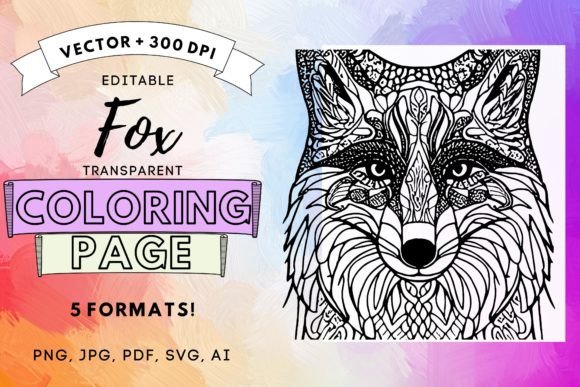
When I first opened the Fox Animal Transparent Coloring Page PNG on my desktop, the immediate feeling was one of clean, storybook charm. The transparent background and crisp vector lines give it an instant editorial polish that feels both playful and intentional. It is not a generic clip art file. It is a graphic design asset that carries a specific mood — a little whimsical, a little modern, and completely ready for real publishing use. For a blog designer and digital publisher, that first impression matters. It tells me this image will not look cheap when placed inside a content layout. Instead, it will elevate the visual hierarchy of any page where it appears.
The editorial mood of the fox illustration lands somewhere between a modern children’s magazine and a lifestyle blog’s downloadable resource. It is soft enough for a family-friendly niche, but the line art has enough structure to feel professional. The absence of a filled background means the image can blend seamlessly into different color palettes and layout styles. That transparency is a quiet superpower. It means the fox can sit on a pastel blog header, a kraft paper printable, or a deep green Pinterest pin without ever looking out of place. For a publisher, that kind of flexibility is what turns a simple graphic into a repeat-use design asset.
Where This Fox Coloring Page Belongs in a Real Content Niche
I immediately saw this graphic working inside at least three content corners. The first is children’s activity blogs and printable resource libraries. The second is wildlife and nature websites that want a softer, illustrative touch for their editorial headers. The third is creative lifestyle and parenting blogs that use coloring pages as lead magnets or newsletter freebies. The Fox Animal Transparent Coloring Page PNG feels intentionally educational and artistic. It could easily sit beside a post about forest animals, a DIY craft roundup, or a seasonal content calendar built around autumn themes. The style is natural without being sketchy, refined without being overly corporate. That balance is rare and exactly what makes a graphic perform well across multiple content types.
For visual communication, the transparency is not just a technical feature. It changes the way the fox interacts with headlines, body text, and call-to-action buttons. When I test-placed the PNG inside a real blog layout, the fox did not compete with the text. Instead, it created a gentle focal point that guided the eye toward the title. This is exactly what good editorial design should do: support the message without shouting over it. In a world where blog graphics often scream for attention with neon colors and heavy drop shadows, this fox brings a sense of calm and trust. That, in turn, can make a reader stay longer on the page.
Publishing Workflows That Benefit Instantly
I think about publishing workflows as a series of small, repetitive design decisions. A blogger needs a featured image for a new post. A newsletter creator needs a graphic for the welcome sequence. An online educator needs a visual for a digital guide. In each case, the Fox Animal Transparent Coloring Page PNG slots in without friction. The file comes in multiple formats — PNG, JPG, SVG, PDF, and an editable AI file — which means you are not locked into one software ecosystem. For a publisher who switches between Canva, Adobe Illustrator, and direct WordPress uploads, that format variety is a practical time-saver. The 3763 by 4000 pixel resolution at 300dpi ensures that the image can be scaled up for a website header or down for a social media preview without losing the crisp line quality.
One of the most underrated uses I have tested is putting this graphic inside a lead magnet. A simple coloring page, delivered as a PDF download, can be the entry point for a new email subscriber. The fox illustration is detailed enough to feel like a genuine gift, not a throwaway graphic. When I previewed it as a printable, the lines remained sharp, and the open spaces were generous enough for a child or adult to color without frustration. That transforms a basic graphic into a digital product that builds reader trust and signals that you care about the quality of your free resources. For affiliate marketers and content creators, that small shift in perception can lead to higher click-through rates on the offers you present later.
How This Graphic Strengthens Visual Identity and Reader Trust
Too many blog images feel disposable. They are chosen quickly, published once, and then forgotten. The Fox Animal Transparent Coloring Page PNG has a different energy. It can become part of a site’s visual identity. Imagine using the fox as a recurring character across a series of posts, a category page, or a seasonal newsletter banner. The repetition builds recognition. Readers start to associate that clean, friendly illustration style with your brand. That is the kind of visual consistency that separates a hobby blog from a professional content site. It also makes the design process faster because you have a reliable asset ready to go instead of hunting for new images every week.
When I tested the file inside a Pinterest pin, the transparent background allowed me to layer it over a soft watercolor wash and still keep the fox as the hero element. The pin looked like a designed piece, not a rushed collage. For Pinterest, that matters because users scroll through a grid of competing images. A pin that feels editorial and intentional has a stronger chance of stopping the scroll. The same applies to Instagram stories, Facebook ads, and even the thumbnail used inside a blog’s related posts widget. The fox, because of its transparent and vector nature, adapts to each format without needing a complete redesign.
Where the Fox Works Best and Where Caution Is Needed
This design asset shines in hero images, article thumbnails, Pinterest pins, and downloadable resource covers. It also works beautifully as an editorial accent inside a long-form blog post, breaking up text and adding a visual breathing room. The transparent background makes it perfect for light-colored website headers and newsletter banners where a white box around the image would ruin the flow. I have also used similar graphics inside digital guide covers and worksheet headers, where the monochrome line art does not distract from the instructional content.
However, I would be careful using this graphic on very small mobile thumbnails. The intricate lines, while beautiful at larger sizes, can become muddy when scaled down to a 50-by-50-pixel icon. It is also not the best choice for a text-heavy blog image where the fox might compete with the headline if the layout is not carefully balanced. On low-contrast backgrounds, the black lines can lose definition, so always test the image on your actual website background color. For corporate or serious professional niches like finance or law, this fox might feel too playful. But for any content area that embraces creativity, education, family, or nature, it is a strong fit.
Practical Publisher Notes for Flawless Integration
Before you publish any graphic, run it through a few real-world tests. I always start by placing the Fox Animal Transparent Coloring Page PNG inside a sample blog post layout. I check how it looks as a featured image at 1200 by 630 pixels, then as a thumbnail at 300 by 300 pixels. I also test it with different headline fonts. The fox holds up beautifully next to a clean sans serif, a classic serif, and even a playful handwritten script. The line art style is versatile enough not to clash with font choices, which is a huge advantage for bloggers who switch up their typography seasonally.
Next, I test the image in black and white. Even though the fox is already monochrome, removing any potential color treatment from the PNG helps me see if the line weight is consistent. It is. The vector origin is clear in the even stroke thickness and the absence of pixelation. I also recommend compressing the final PNG for web use. The original file is large, but a properly optimized version will load quickly without visible quality loss. If you are using the SVG or AI file, you can recolor the lines to match your brand palette, which opens up even more creative design possibilities. Always confirm that your commercial license covers the intended use, especially if you plan to include the coloring page in a paid product or a monetized affiliate blog.
Turning One Graphic into a Content Marketing Engine
One of the smartest moves a digital publisher can make is to think of a graphic not as a single post’s decoration, but as a content marketing engine. The Fox Animal Transparent Coloring Page PNG can be repurposed into a blog header, a social media graphic, a printable worksheet, a digital guide cover, and a Canva template element all from one file. I have seen creators take a similar vector illustration and build an entire content series around it. For example, a post about woodland animal facts, followed by a downloadable coloring sheet, then a newsletter that links to a craft tutorial, and finally a roundup post that features the fox as the category visual. Every touchpoint reinforces the visual identity and keeps the content feeling cohesive.
For small business branding, this kind of asset is a low-cost way to add a handcrafted feel to your digital presence. The fox illustration does not scream “stock image.” It has a bespoke quality that makes your website look more curated and your lead magnets more valuable. In a creative marketplace where trust is currency, that perceived value can influence everything from email signups to affiliate link clicks. The fact that you can edit the AI file means you can remove or add elements, change the fox’s expression, or even combine it with other graphics to create something entirely new. That level of creative control is rare for a coloring page product and speaks to the quality of the Graphics and Coloring Pages Amp category it comes from.
The Unseen Value of Transparent and Vector Formats
The technical specifications of this product — the 3763 by 4000 pixel dimensions, the 300dpi resolution, and the inclusion of both raster and vector formats — are not just numbers. They translate directly into publishing confidence. When I drop the SVG into my design software, I can scale it to billboard size without a single jagged edge. When I use the PNG, I know the transparent background will not leave a halo around the fox. The PDF format means I can share the coloring page directly with my audience without any extra conversion steps. The JPG gives me a quick, lightweight option for fast uploads. Each format serves a different step in the content publishing workflow, and having them all in one download is a genuine efficiency gain.
For content creators who sell digital products, this fox can become a template element inside a Canva pack or a customizable printable. The commercial license support typically included with such graphics means you can use it in designs you sell, as long as you check the specific terms. I always advise keeping a copy of the license file and noting any attribution requirements. The peace of mind that comes from knowing your blog graphics and digital products are built on legally sound assets is worth the few extra seconds of documentation.
Final Thoughts on the Fox as a Publishing Asset
I have reviewed hundreds of design assets for blog use, and the Fox Animal Transparent Coloring Page PNG stands out for its editorial adaptability. It is not a loud, trend-chasing graphic. It is a quiet, reliable illustration that makes content look more polished, more intentional, and more trustworthy. Whether you are building a resource library for an educational site, designing a seasonal blog header, or creating a Pinterest graphic that needs to stop the scroll, this fox delivers. The transparent background, the vector precision, and the generous resolution make it a repeat-use tool, not a one-off decoration. In a publishing landscape where visual consistency and reader trust are everything, that kind of asset is worth its weight in page views.