Floral Mandala Adult Coloring Pages KDP
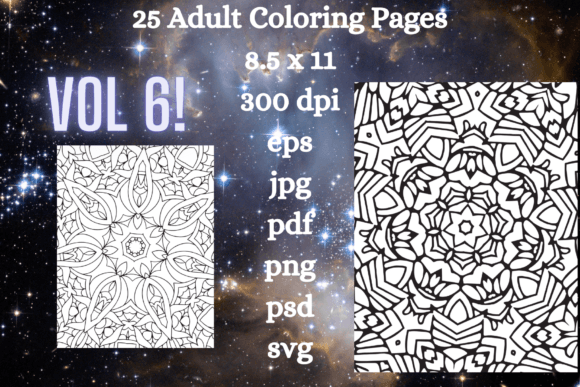
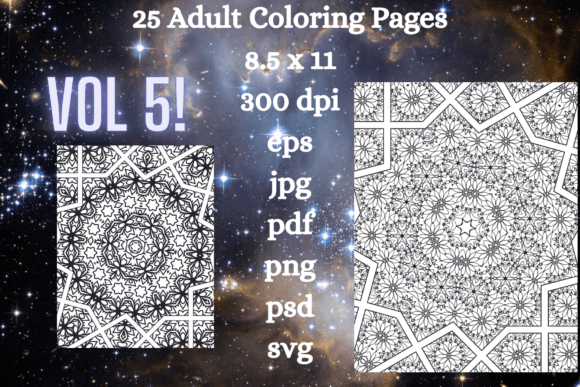
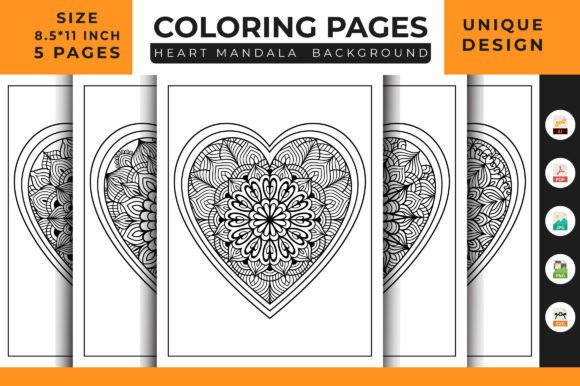
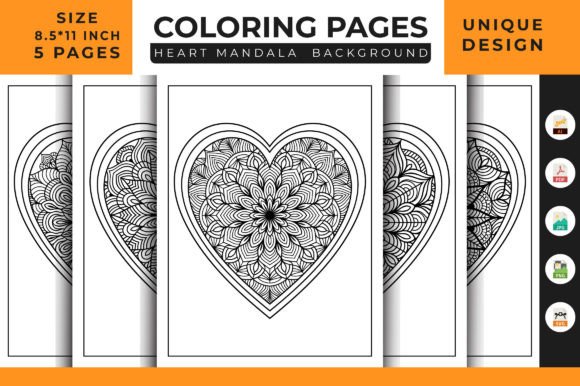
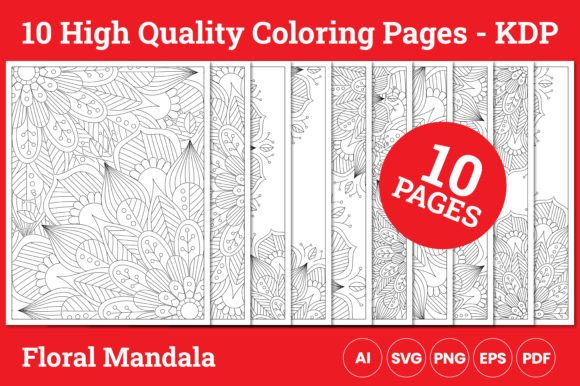
As a designer who’s stitched over 300 custom embroidery projects—from boutique baby onesies to limited-run aprons for local cafés—I opened Floral Mandala Adult Coloring Pages KDP expecting delicate linework and intentional negative space. What I found was something more nuanced: ten hand-drawn mandalas that breathe like living patterns—not rigid, not overly fussy, but rich with quiet rhythm. They’re clearly designed for coloring, yes—but their structure holds up remarkably well when translated into stitch.
A Tote Bag Test: Where the Design Earns Its Keep
Last week, I prepped a linen-cotton tote for a local florist’s pop-up—custom embroidered with one of these mandalas centered on the front panel. Not as a standalone motif, but as the quiet heart of the piece. No text. No border. Just the mandala, scaled to 4.2 inches wide, stitched in soft ecru cotton thread on oat-colored fabric. The result? Customers paused. Touched the stitching. Asked, “Is that hand-drawn?” (It wasn’t—but it felt like it.) That’s the first real signal: Floral Mandala Adult Coloring Pages KDP delivers visual warmth without shouting. It reads as intentional, not algorithmic.
Mood & Structure: What You’re Actually Getting
These aren’t symmetrical perfectionists. Petals curve slightly off-axis. Leaves taper with gentle variation. Some motifs include subtle dotwork or fine cross-hatching—details that translate beautifully into satin stitch or layered fill stitch. The line weight stays consistent (0.4–0.6mm equivalent), which means clean stitch-outs across most machines—no jagged jumps or vanishing thin lines. And crucially: no tiny enclosed shapes smaller than 3mm. That matters when you’re stitching on terry cloth towels or looped baby knit.
The layout is generous—each mandala sits comfortably within a 7×7 inch printable area, leaving breathing room for repositioning in your embroidery software. No clipping, no awkward cropping. That flexibility saved me when resizing for a curved cap front: I rotated and shifted the design without losing balance.
Where It Shines (and Where It Asks for Care)
Shines:
- Sweatshirt embroidery—the open centers and organic spacing prevent puckering on heavyweight fleece.
- Embroidered patch—clean outer edges hold shape well in merrowed or heat-seal backing.
- Baby embroidery—soft curves and no sharp angles suit onesies and burp cloths, especially when stitched with low-density fill.
- Kitchen towel & tea towel designs—the repetition feels grounded, not busy, even after repeated washing.
- Personalized gift—pair one mandala with a monogrammed corner; the contrast feels curated, not cluttered.
Use carefully:
- Small hoop sizes (under 4×4 inches)—some mandalas lose subtlety when aggressively downscaled. Test at 85% before finalizing.
- Stretchy fabric (like jersey or ribbed knits)—requires cutaway + tear-away stabilizer combo. The line continuity depends on fabric stability.
- Dark fabric—avoid light thread unless you’re adding underlay. These designs rely on clarity—not contrast alone.
- Curved surfaces (caps, mugs with wrap-around mockups)—center the mandala over the crown or flat panel. Avoid placing near seams or brims where distortion creeps in.
- Frequent-wash items (baby blankets, dish towels)—reduce stitch density by 10–15% in dense petal zones. Let the fabric breathe.
What This Means for Your Craft Business
If you sell on Etsy or run a small shop, Floral Mandala Adult Coloring Pages KDP isn’t just “another coloring bundle.” It’s a quietly versatile set of design assets—ready to become embroidered pillow covers for wedding favors, minimalist sweatshirt embroidery for slow-fashion brands, or nursery decor stitched onto organic cotton wall hangings. Buyers respond to cohesion, not chaos—and these mandalas offer instant harmony.
I’ve watched customers linger longer on listings where this kind of design anchors the visual story. Why? Because it feels handmade *in intention*, even when machine-stitched. It supports brand consistency without demanding uniformity—swap thread colors (mustard + charcoal, sage + cream) and the same mandala becomes three distinct product lines.
Practical Designer Notes Before You Stitch
- Always test on scrap fabric first—especially if using textured weaves or blends. Linen, cotton-linen, and midweight canvas all behave differently under needle tension.
- Check thread color contrast early. These designs don’t rely on bold outlines, so low-contrast combos (e.g., heather grey thread on charcoal fabric) can vanish.
- Review stitch density in your embroidery software. Some inner layers may benefit from reduced fill % to avoid stiffness—especially on baby items.
- Confirm hoop size compatibility. While the designs scale well, avoid forcing them into tiny hoops without adjusting density and underlay.
- Inspect small details at 200% zoom—look for any unintended overlaps or micro-gaps that could cause thread breaks or skipped stitches.
- Test black-and-white mockups before finalizing—this reveals how well the design reads without color crutches.
- Compare light and dark fabric backgrounds in your digital preview. What reads softly on ivory may disappear on navy.
- Use proper stabilizer: medium-weight cutaway for stable wovens; hybrid cut/turbo for knits.
- Verify licensing—since this is labeled for KDP Interior and POD use, confirm whether finished embroidered goods (e.g., an embroidered tote sold on Etsy) fall under permitted commercial use. When in doubt, contact the creator directly.
Bottom line? Floral Mandala Adult Coloring Pages KDP earns its place in my working library—not because it’s flashy, but because it’s reliable. It translates. It breathes. And it reminds buyers—without saying a word—that care went into the making. That’s the quiet power of good design, whether it starts as ink on paper or thread on fabric.