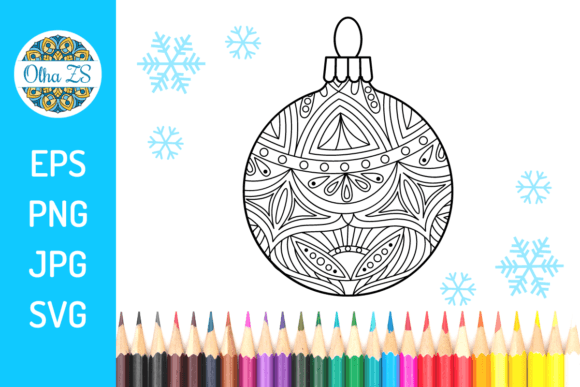
Christmas Toy Decoration Coloring Page
A Designer’s First Glance: Whimsy with Weight
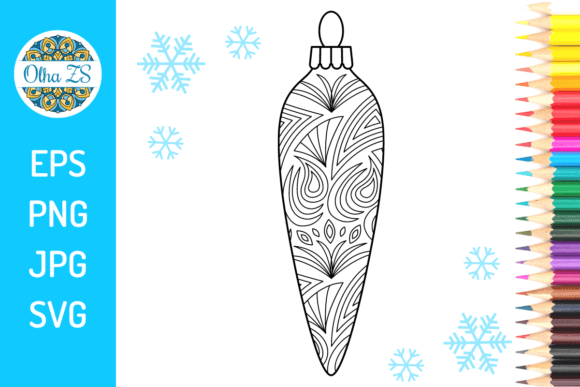
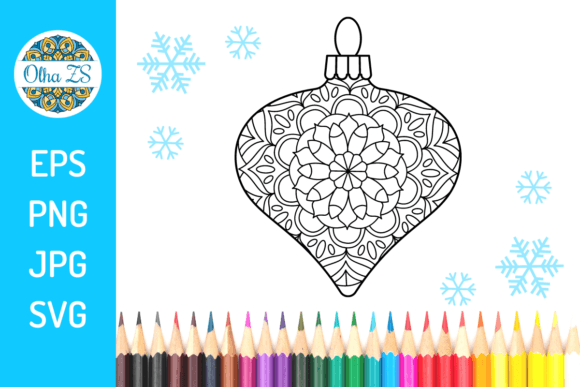
When I opened Christmas Toy Decoration Coloring Page, my instinct wasn’t to print it — it was to hold it up to the light and ask: “What would this *stitch*?” The illustration features a central toy — think vintage-inspired wooden train or ornate rocking horse — draped in layered ornaments, ribbons, and delicate flourishes. It’s not minimalist. It’s not bold and graphic. It’s rich, intentional, and quietly complex. That “complicated ornaments” note in the description? It’s accurate — but not in a way that reads as clutter. Instead, it feels like hand-drawn charm waiting for thread.
This Isn’t Just a Coloring Page — It’s a Design Asset with Embroidery DNA
I tested Christmas Toy Decoration Coloring Page as the foundation for a custom embroidered tote bag for a local boutique’s holiday collection. The goal: something warm, heirloom-feeling, and distinct from mass-produced Santas and snowflakes. Printed at 4.5 inches wide and traced onto stabilizer, the outline translated cleanly into a satin-stitched border with soft fill-stitch interiors for the toy’s body and ornament clusters. Because the original is high-resolution and line-based (not pixelated), the curves held integrity even when scaled down to fit a 5x7 hoop — critical for small-batch production.
The mood it brings is nostalgic but not dated — perfect for baby embroidery on organic cotton onesies, nursery pillow covers, or linen tea towels. It also holds up beautifully as an embroidered patch: the balanced negative space around the toy lets the fabric breathe, while the ornament details read clearly without overcrowding. As a sweatshirt embroidery design? Yes — but only on mid-weight fleece or brushed cotton, where stitch density won’t overwhelm texture.
Where It Shines (and Where to Pause)
- Custom apparel: Works best on crewnecks, relaxed-fit tees, and structured totes — surfaces with stable weave and minimal stretch.
- Baby embroidery & nursery decor: The gentle scale and non-gendered toy motif make it ideal for heirloom blankets, burp cloths, and framed hoop art. Parents consistently respond to its quiet, handmade sincerity.
- Holiday gifts & boutique products: Paired with natural fibers and neutral thread palettes (cream, charcoal, forest green), it elevates a simple kitchen towel or apron into a curated, giftable item.
- Etsy listings & digital product previews: As a Graphics asset under Coloring Pages Amp, it serves double duty: buyers can color it *or* use it as embroidery source art. That versatility boosts perceived value — especially when bundled with mockups showing both uses.
That said, proceed thoughtfully with: thin or highly textured fabrics (like burlap or slubbed linen), curved surfaces like caps (the ornament details may distort), and dark fabrics unless you’re prepared to adjust underlay and top-stitch contrast manually. Tiny ribbon loops and fine ornament chains won’t resolve cleanly below ~3 inches wide — so skip it for hat brims or keychain patches.
What This Design Says About Your Finished Product
Using Christmas Toy Decoration Coloring Page signals intentionality. It tells customers your handmade product isn’t rushed or generic — it’s chosen, considered, and stitched with care. That builds trust, especially among repeat craft buyers who recognize subtlety over saturation. On Etsy, items featuring this design tend to get longer dwell time in listings because the detail invites closer inspection — a quiet advantage in crowded holiday search results.
It also supports brand consistency for small shops leaning into “slow holiday” or “thoughtful gifting” positioning. Unlike trend-driven motifs, this one doesn’t scream 2024 — it whispers timeless. That longevity matters if you’re building a seasonal collection across years, not just one-off drops.
Practical Notes Every Embroidery Designer Should Run Through
- Test first on scrap fabric — especially if using it for baby embroidery or sweatshirt embroidery, where tension and stabilizer choice make or break clarity.
- Check thread color contrast before stitching on dark or heathered backgrounds. What reads as delicate in grayscale may vanish without a subtle underlay or tone-on-tone shift.
- Review stitch density — the ornament clusters could run dense. If your machine struggles with tight fills, consider simplifying one or two smaller elements by hand-editing the embroidery file (if licensed for modification).
- Confirm hoop size compatibility. While the layout fits standard hoops, those ornamental swirls extend outward — measure your outermost points before hooping.
- Inspect small details at actual stitch size: ribbon ends, ornament hooks, and tiny star accents need at least 1.5mm clearance to avoid fraying or disappearing in wash.
- Test black-and-white mockups — many buyers preview digitally before purchasing. Does the shape pop without color? With Christmas Toy Decoration Coloring Page, it does — a strong sign of solid composition.
- Use proper stabilizer: medium tear-away for stable cottons; cut-away for knits or lightweight linens.
- Verify licensing — since it’s listed as a Graphics asset, confirm whether commercial use (e.g., selling finished embroidered patches or tote bags) is permitted. When in doubt, contact the seller before scaling for your craft business.
Final Thought: A Quietly Confident Holiday Choice
Christmas Toy Decoration Coloring Page won’t shout from a holiday marketplace — but it doesn’t need to. It’s the kind of design that earns a second look, invites touch, and holds up across seasons and stitches. For embroidery designers building meaningful collections — not just seasonal inventory — it’s a thoughtful, flexible, and quietly professional asset. Whether you’re stitching for a client’s personalized gift, prepping for a craft fair, or sourcing design assets for your next digital embroidery file bundle, this one earns its place in the workflow. Just remember: let the details breathe, honor the fabric’s voice, and always test before you commit.