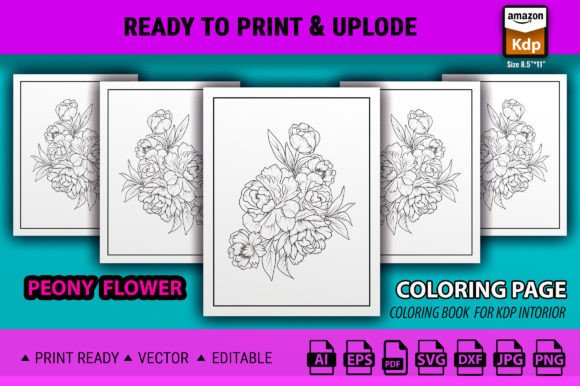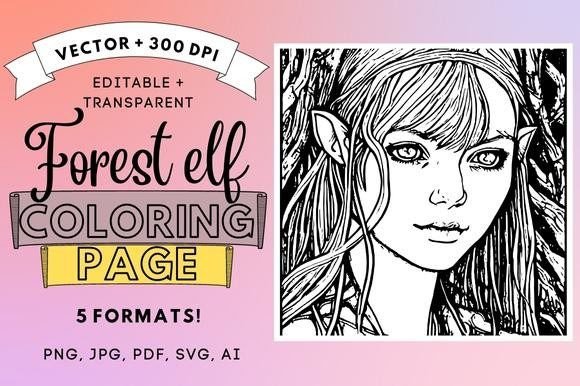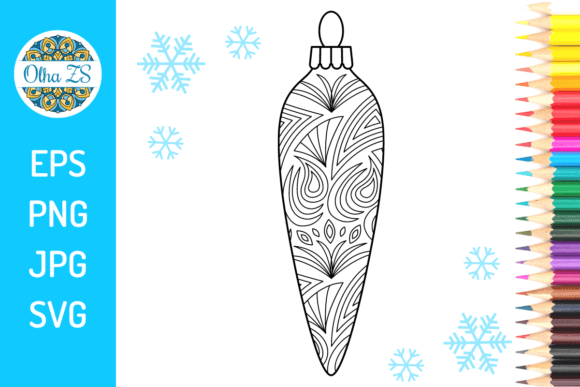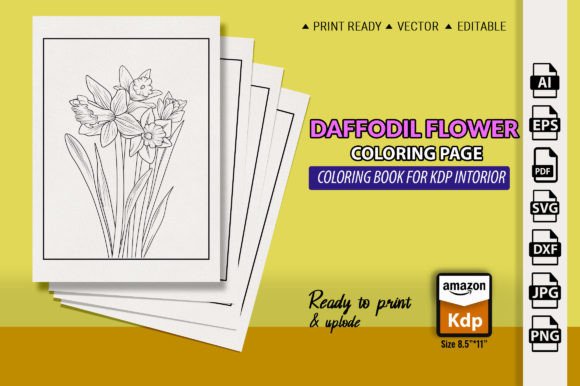
Adult Coloring Page Interior Bundle
A Designer’s First Glance: Delicate, Centered, and Quietly Confident
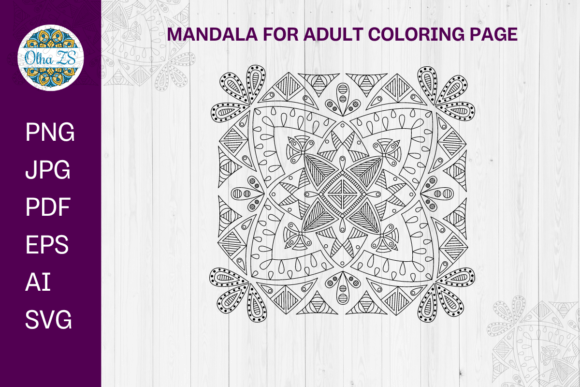
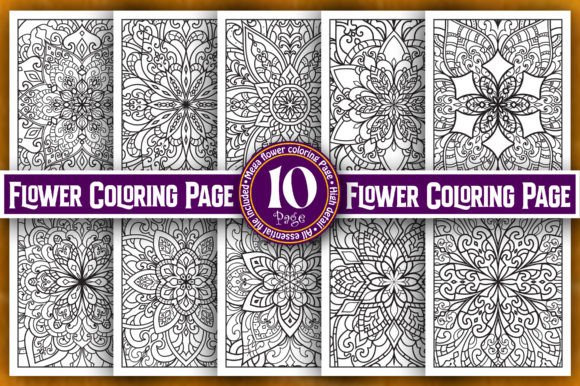
Opening Adult Coloring Page Interior Bundle, I felt that familiar quiet thrill—not the loud “wow” of bold graphics, but the calm recognition of something thoughtfully composed. Ten rounded mandalas, each built around floral motifs with layered petals, subtle symmetry, and breathing room between elements. This isn’t busy filler art; it’s interior-focused design—meant to live *within* a boundary, not shout from the edges. As an embroidery designer who’s stitched everything from nursery onesies to boutique aprons, I immediately saw how these would translate: not as standalone logos or chest logos, but as centered focal points—on pillow covers, tea towels, baby blankets, or the back panel of a linen tote.
Where It Shines in Real Embroidery Projects
I tested one mandala as a 4.5" hoop design on a heavyweight cotton twill tote bag—no appliqué, just fill and satin stitch. The result? A soft, meditative presence. Not flashy, but deeply intentional. Customers don’t just see “a flower”—they pause. That’s rare in fast-scrolling Etsy listings or craft fair booths. The mandalas hold up beautifully on sweatshirts (especially midweight French terry), where their circular shape echoes the natural drape of the fabric. On baby onesies? Perfect—gentle, non-gendered, and rich enough in detail to feel special without overwhelming tiny proportions.
For small business owners, this bundle works especially well for curated gift sets: pair a stitched tea towel with a matching embroidered kitchen apron, both featuring complementary mandalas. It also translates cleanly into printable mockups—ideal for digital product sellers who want to showcase embroidery-ready designs without stitching every variation. As a design asset, its strength lies in consistency: all ten share the same visual language—balanced weight, rhythmic line work, and interior focus—so your shop maintains brand cohesion across products.
What to Watch For: Texture, Scale, and Fabric Behavior
These are high-detail coloring pages—and that detail becomes *stitch density* under the needle. On thin fabrics like lightweight cotton poplin or rayon challis, dense fill areas can pucker or show through unless stabilized properly. I recommend a medium-weight cutaway stabilizer beneath, plus a light tear-away on top for crisp petal edges. On dark fabrics, test thread contrast early: pale pastel threads may disappear, while charcoal or deep sage greens add grounded elegance without losing delicacy.
Stretchy knits? Proceed carefully. The symmetrical geometry of each mandala resists distortion—but only if hooped firmly and stitched with reduced tension. Skip the curved surfaces of caps or beanies unless you’re using a specialized cap frame; the fine inner linework risks distortion on tight curves. And avoid cramming any of these into hoops smaller than 4". Tiny corners and nested petal layers simply won’t resolve cleanly below that scale—what reads as intricate on screen becomes muddy in thread.
Why It Builds Trust—Not Just Decoration
In handmade markets, customers buy *intention*, not just imagery. When someone sees an embroidered pillow cover with one of these mandalas, they sense care—not just in the stitching, but in the choice of motif. It signals that the maker considered mood, audience, and use case. That matters for personalized gifts (think: “calm” baby shower towels) or wedding favors (linen napkins with a single delicate mandala). It also elevates perceived value: a $38 embroidered tote feels more considered—and more worth the price—when the design breathes, balances, and invites slow looking.
For Etsy sellers and small shop owners, this is quiet professionalism. No clipart energy. No overused boho clichés. Just ten unique, cohesive pieces that say, “I chose this because it fits *your* space, *your* rhythm, *your* quiet moments.” That builds repeat buyers—and word-of-mouth referrals.
Practical Notes Every Embroiderer Should Check Before Stitching
- Test first—on scrap fabric matching your final product’s weight and stretch.
- Review stitch density in your embroidery software—look for overlapping fills or overly tight satin borders that could cause thread breaks or fabric stress.
- Confirm hoop size compatibility before digitizing or purchasing—these were clearly drawn for interior placement, so verify the largest mandala fits your standard hoop.
- Inspect small details at 200% zoom: do inner petal lines stay distinct? Will those fine loops read in thread?
- Mock it in black and white—some delicate shading in the coloring page may vanish when translated to two-tone embroidery.
- Compare light vs. dark backgrounds—what feels balanced on paper may need adjusted thread values on navy denim or ivory linen.
- Use proper stabilizer—especially for textured fabrics like terry cloth or bouclé, where detail can sink into the pile.
- Verify licensing—since this falls under Coloring Pages Amp and is categorized as Graphics, confirm whether commercial use of finished embroidered items is permitted before listing on Etsy or selling at craft fairs.
Final Thought: A Design That Serves the Maker—and the Moment
Adult Coloring Page Interior Bundle doesn’t demand attention. It earns it—slowly, steadily, through thoughtful structure and restrained beauty. It’s not for every project, and that’s its strength. Use it where stillness matters: on a baby’s first blanket, a therapist’s office pillow, a holiday kitchen towel gifted with homemade cookies, or a boutique’s limited-run linen apron. In those contexts, it doesn’t just decorate—it resonates. And for designers, crafters, and small business owners who value clarity over clutter, that resonance is the most valuable stitch of all.